


Featured image: AI-generated illustration.
Asbestos removal or encapsulation is a decision about condition, future disturbance and the work you have planned. Sound material that will remain undisturbed may be suitable to leave in place and monitor. A specialist may recommend sealing or enclosing some materials; others need removal. Start with an assessment of the actual material, rather than choosing the cheapest treatment from a photograph.
This guide helps homeowners compare recommendations and written quotations. It explains the principles used in Great Britain; Northern Ireland has its own regulator and arrangements. It is preparation for a professional assessment, not instructions for treating asbestos yourself.
Asbestos removal or encapsulation: what are you comparing?
Encapsulation means applying a suitable protective treatment to contain the material’s surface. Enclosure places a protective barrier around it. Neither removes the asbestos. Leaving sound material undisturbed, with its location recorded and condition checked, is a separate option. HSE’s advice for householders explains why finding asbestos does not automatically mean it must be removed, and why repairs need appropriate training.
| Approach | What to establish | What remains to plan |
|---|---|---|
| Leave and monitor | Why is the material suitable to remain undisturbed? | Condition checks and information for future tradespeople. |
| Encapsulate or enclose | Why will the proposed protection suit this material and its surroundings? | Access, inspection and any future work behind or through the protection. |
| Remove | Which identified materials and areas will be included? | Waste arrangements, handover and replacement finishes. |
Ask the assessor to explain the recommendation in writing. “Seal the asbestos” is too vague to compare with a detailed removal proposal: you need the location, material, extent of work and limitations of both options.
What changes the recommendation?
The material and its condition
A cement product and asbestos insulating board can require very different controls. Do not identify either by colour, a phone picture or how hard it feels. Avoid touching, scraping or lifting suspect material to investigate it. If work has uncovered something suspicious, stop the activity and seek advice before anyone continues.
Ask whether the recommendation is based on laboratory results, a survey or a precautionary assumption. Keep those records with the quote so that each contractor is pricing the same material.
The next renovation, not just today’s appearance
An intact surface can still lie directly in the path of planned building work. Give the assessor the actual project brief: where new services will run, which partitions will change, and whether floors or ceilings will be opened. A sample result for one surface does not answer every question about concealed materials elsewhere.
HSE distinguishes a management survey from an intrusive refurbishment or demolition survey. Its survey guidance explains the different purposes, the need for competent surveyors and why survey restrictions matter. Ask what investigation is appropriate for your project’s affected area before booking the main trades.
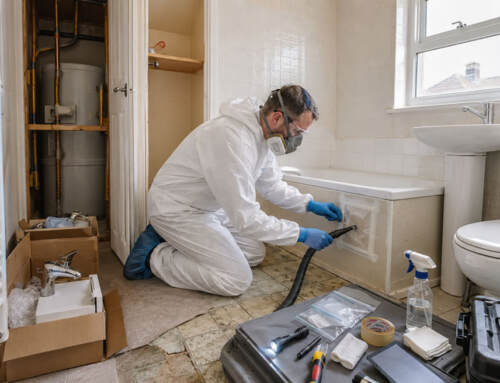
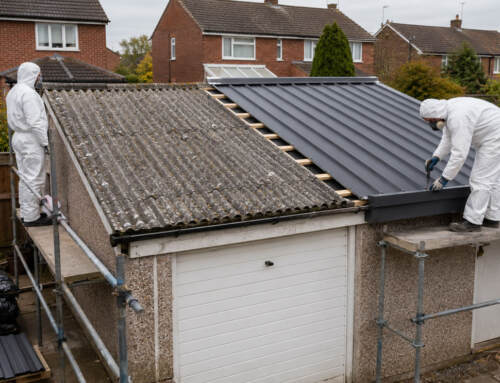
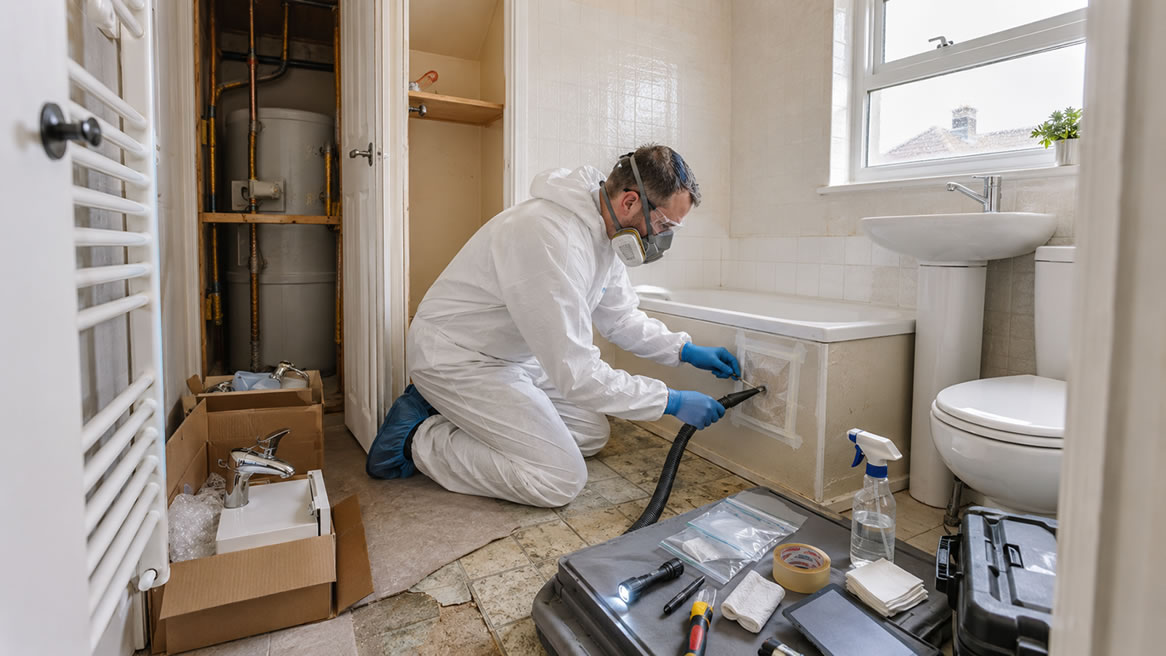
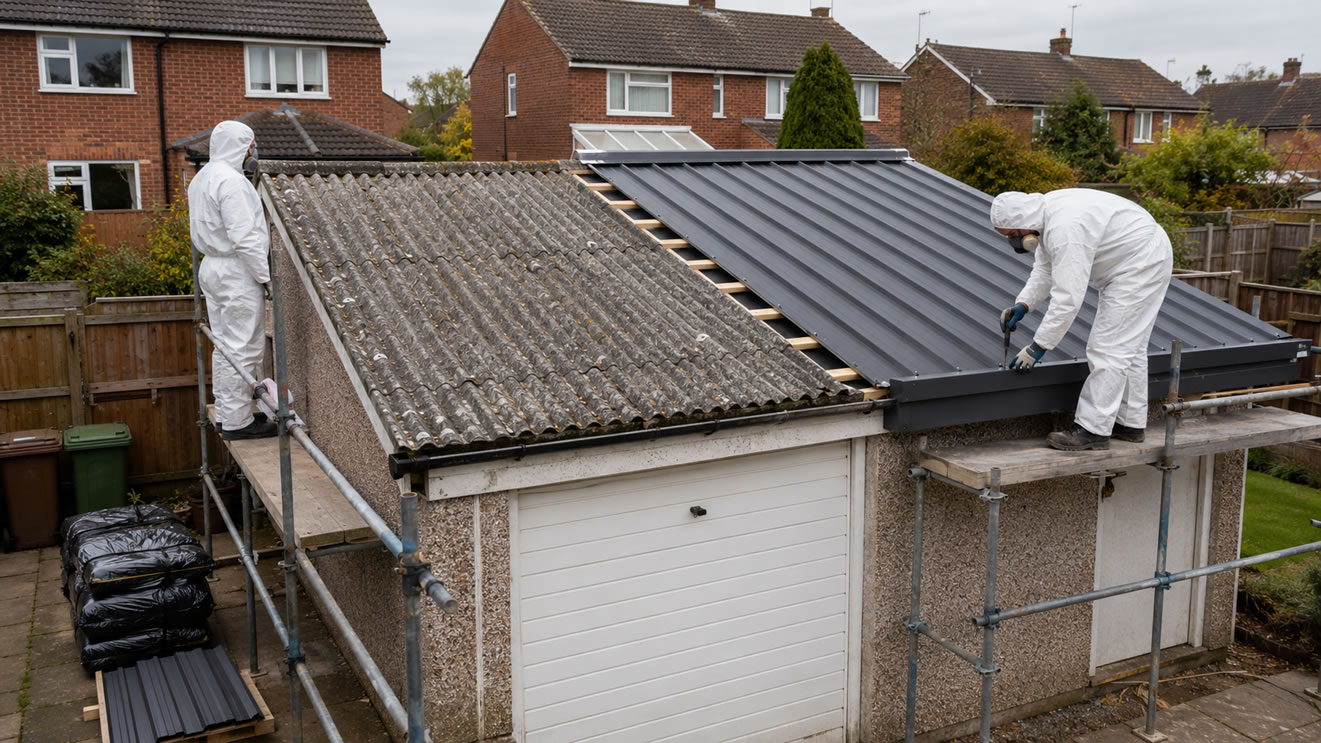
For a room-specific example, see our guide to asbestos testing before a bathroom renovation. For an external project, our article on older asbestos roofs and replacement decisions considers that particular setting.
Who is competent to do the proposed work?
A quote labelled “encapsulation” is not automatically a simple decorating job. The material, its condition and the proposed activity determine the controls. Under HSE’s licensing guidance, higher-risk work requires a licensed contractor. Some other work can be non-licensed or notifiable non-licensed; non-licensed does not mean untrained.
Ask the contractor which category applies, why, and how you can check the relevant licence where one is needed. A general asbestos awareness certificate alone does not demonstrate competence to carry out removal.
Compare the complete job, not just the treatment price
There is no useful universal price comparison between sealing one small area and removing several different materials. Obtain an assessment first, then request itemised proposals. Ask each company to state whether VAT is included and to separate investigation, asbestos work and reinstatement wherever possible.
- Surveying and testing: what evidence is already available, what is extra, and are any areas excluded?
- Access and protection: who arranges access, protects adjoining areas and explains restrictions on using the space?
- Exact scope: are associated materials included, or only the visible surface named in the quote?
- Waste: who handles transport and disposal, and what documentation will you receive?
- Handover: what inspection, testing or certification applies to this particular work?
- Reinstatement: who replaces the removed board, flooring, insulation or decoration?
Asbestos waste needs separate handling. GOV.UK’s household asbestos guidance points homeowners towards their council for disposal advice. Confirm the contractor’s arrangements instead of assuming waste can go into your renovation skip.
Where licensed removal needs clearance certification, ask who appoints the analyst and whether that fee is included. HSE recommends independent appointment of the clearance analyst by the building owner or client. Do not assume every small asbestos task needs the same clearance process.
Compare the plan over the time you expect to own the home
Consider a homeowner who wants a cosmetic refresh now but expects to alter the room layout later. Before accepting protection in place, they should ask whether that later alteration would require a second asbestos job. Equally, removal should not be added to a refurbishment simply because it sounds more permanent: ask the assessor why it is justified.
This is a planning example, not a diagnosis. A useful comparison puts the immediate work, ongoing checks, likely future access and replacement finishes on the same page. Ask for any assumptions about future work to be stated explicitly.
How to prepare for a professional asbestos assessment
You need existing property records and a short description of your planned work. No sampling equipment or DIY preparation is required.
- Pause work in the affected area. Do not disturb suspect material to make it easier to inspect.
- Gather existing information. Collect previous surveys, laboratory reports and records of earlier asbestos work; note any inaccessible areas.
- Describe the project. Explain which rooms and surfaces will change, including likely drilling, service routes and access requirements.
- Arrange a competent assessment. Ask what survey or sampling is needed and how the area can be used while investigations take place.
- Compare written recommendations. Obtain the scope, exclusions, contractor requirements and handover arrangements before agreeing a start date.
Frequently asked questions
Does encapsulation make a home asbestos-free?
No. The asbestos remains in place. Keep a record of its location and the protective work, and pass that information to anyone whose work could disturb it.
Should I get an air test instead of a material sample?
They answer different questions. A material sample is analysed to identify asbestos in that sample; an air test assesses airborne fibres under the test conditions. Ask the assessor which investigation answers your concern.
Can a contractor give a final recommendation from photographs?
Photographs can help an initial discussion, but they cannot confirm asbestos content or reveal every hidden material. Ask what inspection and evidence are needed before a final scope is agreed.
Will removal include replacement materials?
Only if the quotation says so. Request separate confirmation of replacement finishes, any follow-on trades and who coordinates them.
Get advice before choosing a treatment
When you are ready to discuss the assessment or removal scope, My Asbestos Quotes can connect you with independent asbestos removal specialists. Describe what you have found, share existing reports and explain your planned work. Ask each company to explain its recommendation before comparing the total price.
Guidance checked: 17 October 2026. Review planned: April 2027.