

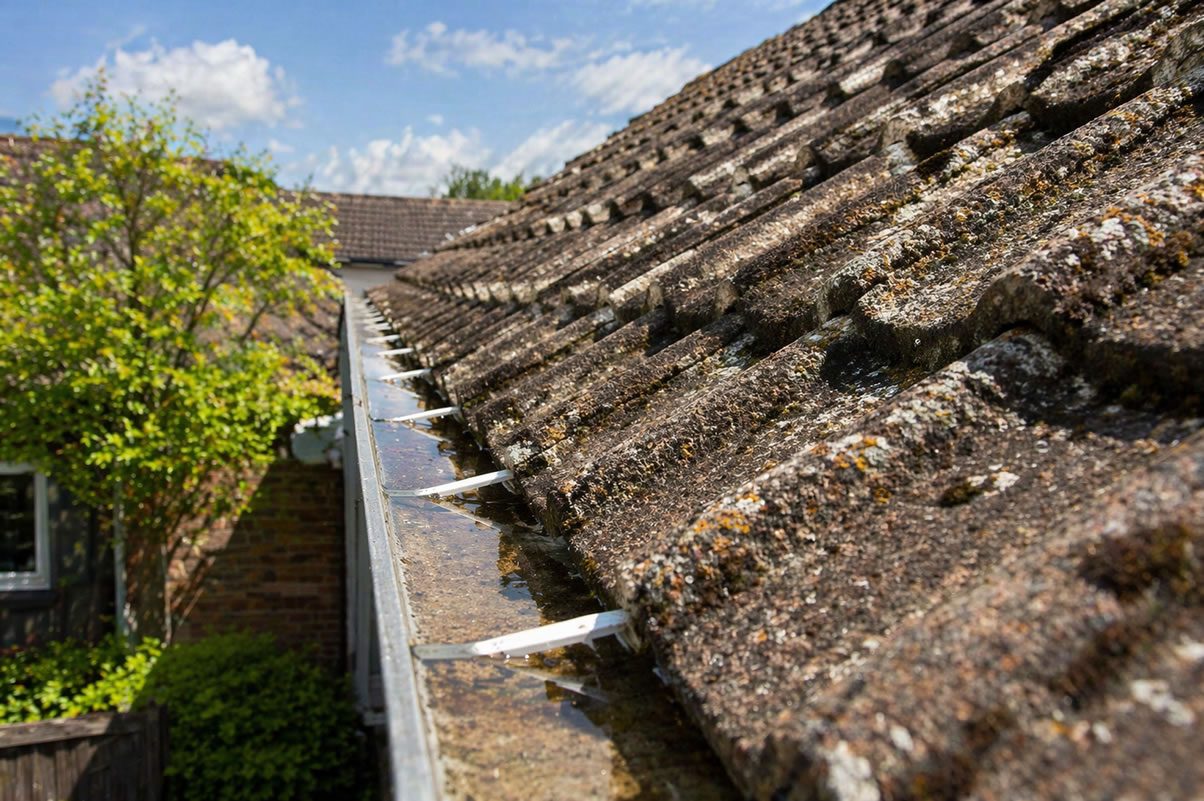
A blocked downpipe is one of the most common reasons gutters overflow — even when the gutter run itself looks “mostly clear”.
The usual pattern is:
- rainwater starts fine
- then the hopper (or a joint) backs up
- and water pours over the front edge like a waterfall
If you ignore it, the overflow can soak brickwork, rot fascia boards, stain render, and contribute to damp around windows and external walls.
This guide covers:
- the warning signs of a downpipe blockage
- the most common causes in UK homes
- safe checks you can do without climbing onto anything
- what a proper unblocking job includes
- typical costs and when replacement is smarter
The warning signs your downpipe is blocked
1) Overflow at the hopper or top joint in heavy rain
If water spills from the top of the downpipe rather than running cleanly down, the blockage is often below that point, causing water to back up.
2) “Waterfall” at one corner of the guttering
One corner pouring while the rest looks okay often points to:
- blockage at the outlet
- blockage within the downpipe
- or a crushed/bent section
3) Gurgling noises in the pipe
A gurgle during rainfall can mean water is struggling past a restriction.
4) Leaks at downpipe joints only when it rains hard
In light rain it copes. In heavy rain, pressure builds and it leaks at joints. That’s a classic partial blockage sign.
5) Slow drainage after rain stops
If gutters keep dribbling for ages after the rain, the system may be draining slowly due to a restriction.
Common causes of blocked downpipes in the UK
Leaves, moss and gutter sludge
The most common culprit is “compost” — a mix of wet leaves, moss granules, roof grit and silt that forms a plug, usually:
- at the outlet/hopper
- at a bend/offset
- at the bottom shoe where it enters a gully
A tennis ball, bird nest or kids’ debris
It sounds silly, but it happens — especially where hoppers are open and easy to drop things into.
Misaligned joints or crushed sections
A downpipe can be:
- partially disconnected
- ovalled/crushed by impact (bins, ladders)
- poorly fitted so the internal lip catches debris
Gully/drain issue at the bottom
Sometimes the downpipe is fine but the gully grid is blocked or the connection into the drain is restricted. Then the downpipe backs up just the same.
Too few downpipes for the roof area
On long runs, one downpipe can struggle in heavy rain. This causes frequent overflow even when everything is “clean”. Adding an extra downpipe can be the real fix.
Safe checks you can do (no ladders, no roof climbing)
- Watch where it overflows during rainfall (front edge? corner? hopper?)
- Check the bottom gully: is it full of leaves/sludge? Is the grate blocked?
- Look for visible leaks at joints in heavy rain (video helps)
- Check for obvious crushing on the pipe (especially near paths/doors)
- Tap the pipe gently (from ground level) and listen — a dull “thud” can indicate packed sludge
- Check other downpipes: if one is overflowing and others aren’t, it’s likely local to that run
If you’re tempted to climb up: don’t. Downpipe diagnosis is usually possible from the ground and inside the property. A proper inspection and gutters services should sort out any problems.
How professionals unblock a downpipe (what a proper job includes)
A proper unblocking job usually involves:
1) Clearing the outlet/hopper area
Even if the pipe is blocked below, the top often has a sludge build-up too.
2) Breaking up and removing the plug
Depending on the blockage and access, they might:
- remove a section of pipe at a joint
- clear it manually
- flush through
3) Flushing and flow testing
This matters. A “poke and hope” fix can leave half the plug behind, and it blocks again next month.
4) Checking the bottom gully connection
If the gully is blocked, you’ll get repeat problems.
Typical costs to unblock a downpipe in the UK (2026)
Most downpipe unblocks fall into a small job / call-out pricing bracket.
Typical ranges
- Simple downpipe unblock / outlet clear: £100–£200
- More involved (multiple bends, heavy sludge, gully issues): £200–£350
- Replacement of damaged downpipe sections: £150–£450+ depending on height and parts
- If access equipment is needed (tower/scaffold): add £300–£2,000+ depending on property and duration
The biggest cost drivers are height, awkward access (terraces/conservatories), and whether the blockage is actually in the drain/gully.
Repair vs replace: when replacement makes more sense
Unblocking is usually enough when:
- the pipe is intact
- joints are sound
- it’s a one-off leaf/moss plug
Replacement becomes more likely when:
- the pipe is cracked or crushed
- joints leak repeatedly under flow
- the outlet design is poor and keeps catching debris
- you’ve got multiple blockages per year and need better capacity (extra downpipe / reroute)
How to prevent downpipes blocking again
1) Clean gutters at the right times
For most homes: autumn and/or spring. More often if you have heavy trees or pine needles.
2) Keep the gully clear
A blocked gully makes the downpipe behave like it’s blocked. Clear leaves from the grate and check it drains after rain.
3) Consider leaf protection (with realistic expectations)
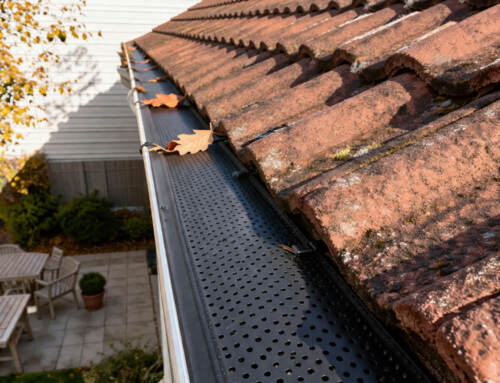
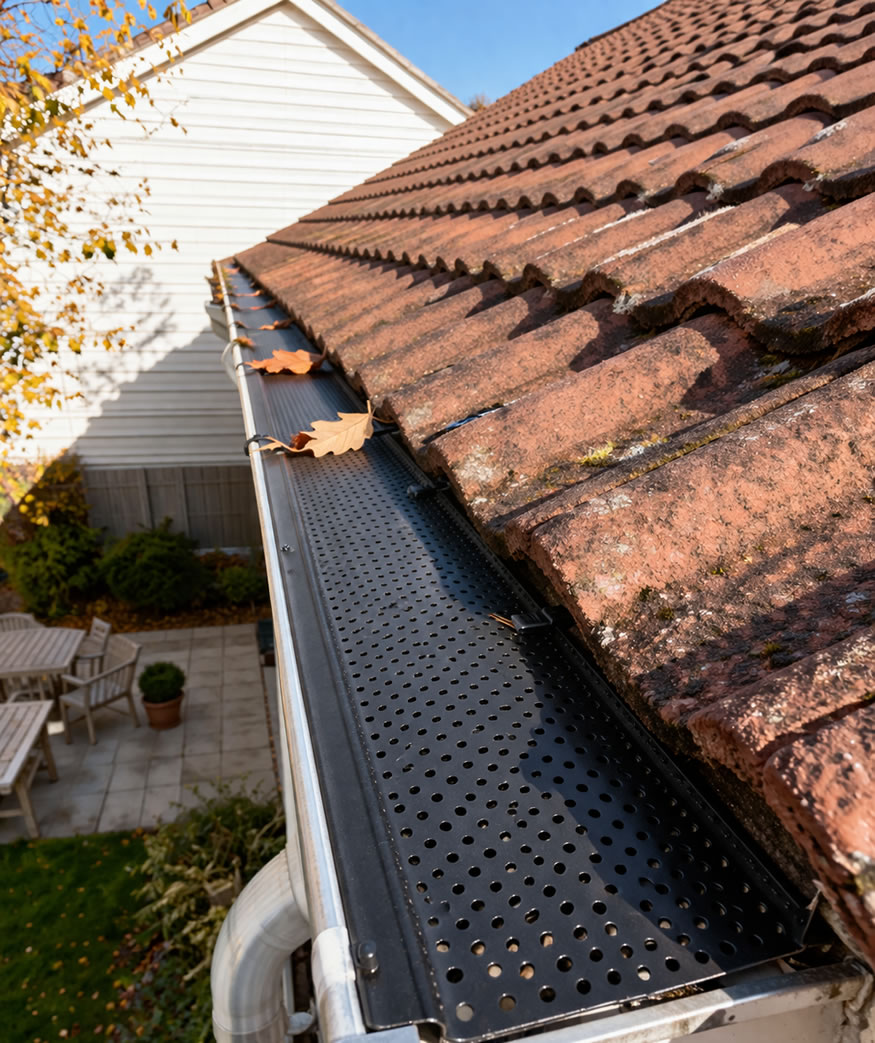
Guards can reduce leaf clumps entering the system, but fine sludge can still accumulate — especially in pine areas.
4) Check the fall and capacity
If gutters always overflow in heavy rain, ask whether:
- the fall is wrong
- you need an extra downpipe
- you’d benefit from deep-flow gutters
Getting quotes: what to tell a tradesperson (copy/paste)
- Property height (bungalow/2-storey/3-storey)
- Which downpipe is affected (front/rear/side)
- Symptoms: “overflows at hopper in heavy rain”, “gurgles”, “leaks at joint only in downpour”
- Whether the bottom gully drains freely
- Photos/video from ground level (best taken during rain)
Ask them to confirm they will:
- clear the outlet/hopper
- clear the pipe and flush test
- check the gully connection
- advise if replacement is needed
FAQs
How do I know if it’s the downpipe blocked or the gutter itself?
If the gutter looks reasonably clear but water overflows at the outlet/hopper during rain, it often points to a downpipe or gully restriction below.
Can I unblock a downpipe myself?
If the blockage is at ground level (like a clogged gully grate), you may be able to clear it safely. Avoid ladders and roof access. For higher blockages or stubborn sludge plugs, a professional unblock is usually quicker and safer.
Why does it only overflow in heavy rain?
A partial blockage can cope with light rain. In heavy rain, the flow rate is too high and water backs up, then spills out at the weakest point (often the hopper or a joint).