

Featured image: AI-generated illustration.
A one-off garden tidy-up is usually the right starting point when you need a defined backlog cleared. Regular maintenance suits a garden that needs continuing attention and a household that cannot reliably provide it. For an overgrown garden, the most useful arrangement may be an initial tidy-up followed by lighter visits, with each part quoted separately.
The decision depends on what you want the garden to look like between visits, which jobs you can do yourself and what the gardener actually includes. Compare that scope before comparing the headline price.
One-off garden tidy-up versus regular maintenance
| Question | One-off tidy-up | Regular maintenance |
|---|---|---|
| What is the main aim? | Complete a specified list of overdue or seasonal jobs. | Keep agreed areas under control throughout an ongoing arrangement. |
| When is it useful? | After moving house, before an event or when work has accumulated. | When mowing, weeding and routine care repeatedly outpace your available time. |
| What needs agreeing? | The finishing point, exclusions and waste arrangements. | Visit frequency, priorities, seasonal changes and cancellation terms. |
| What is the main limitation? | Growth and new leaves continue after the gardener leaves. | A limited visit may not include major clearance or specialist work. |
| How should you compare prices? | Use the same task list and waste specification. | Compare the service over the same period and number of visits. |
When a one-off garden tidy-up makes sense
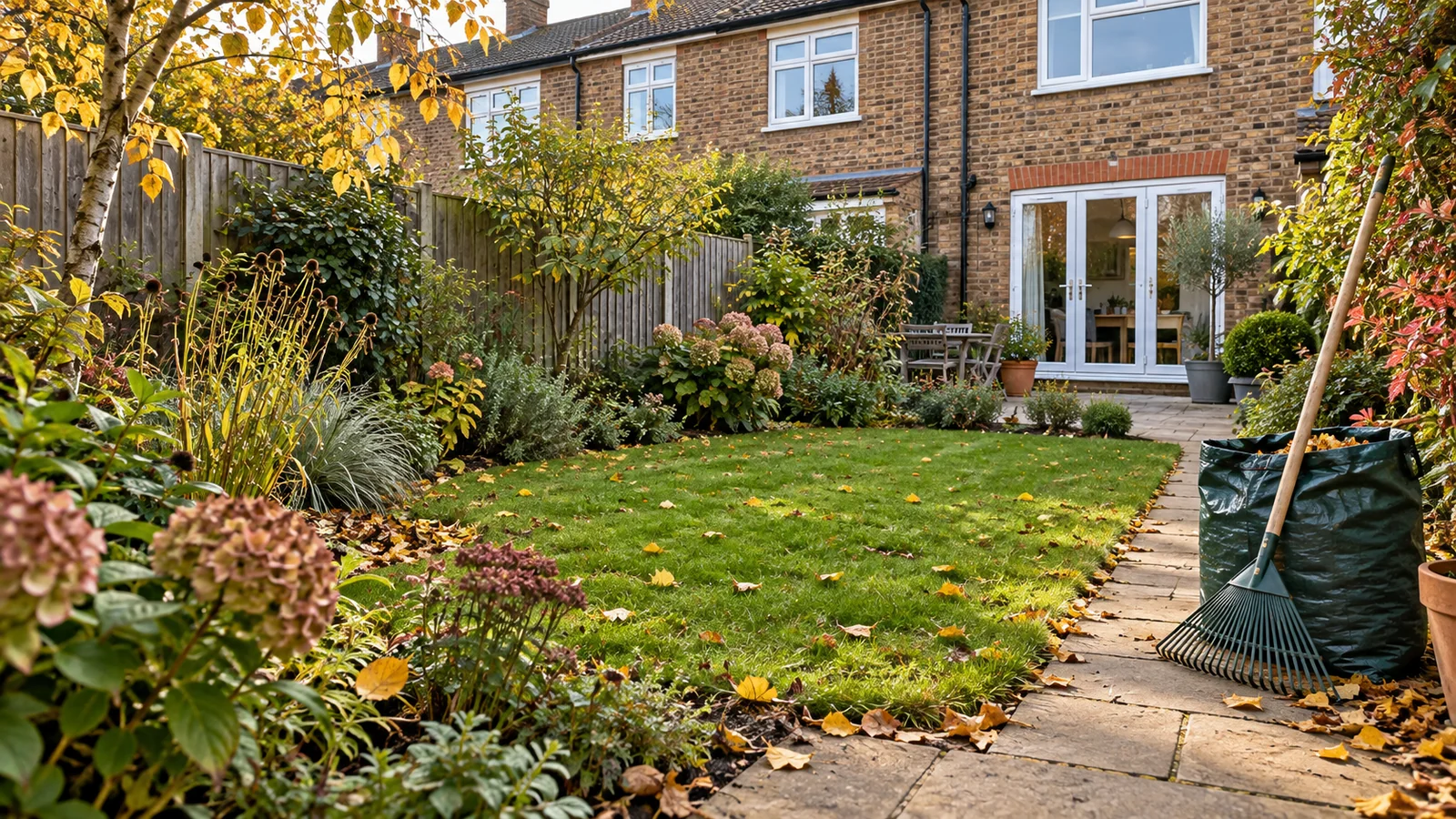
Choose a one-off visit when the job has a clear end. Perhaps the lawn edges have disappeared, weeds have taken over a border and fallen leaves are blocking the path. If you can manage the routine work afterwards, paying for a defined reset may be more useful than committing to a continuing service.
Write down what “tidy” means to you. Cutting grass, clearing accessible weeds and collecting loose leaves is different from removing established brambles, digging out unwanted shrubs or taking away dumped rubbish. Photos help, but dense growth can conceal the amount of work underneath; a site visit may be needed.
Separate tidying from clearance and landscaping
A gardener may offer several services, but they should not be treated as interchangeable. Clearance removes specified unwanted material. Maintenance looks after the garden you have. Landscaping changes its layout or features. If your real aim is a new lawn, replacement paving or rebuilt beds, ask for a separate proposal rather than expecting a tidy-up to deliver the transformation.
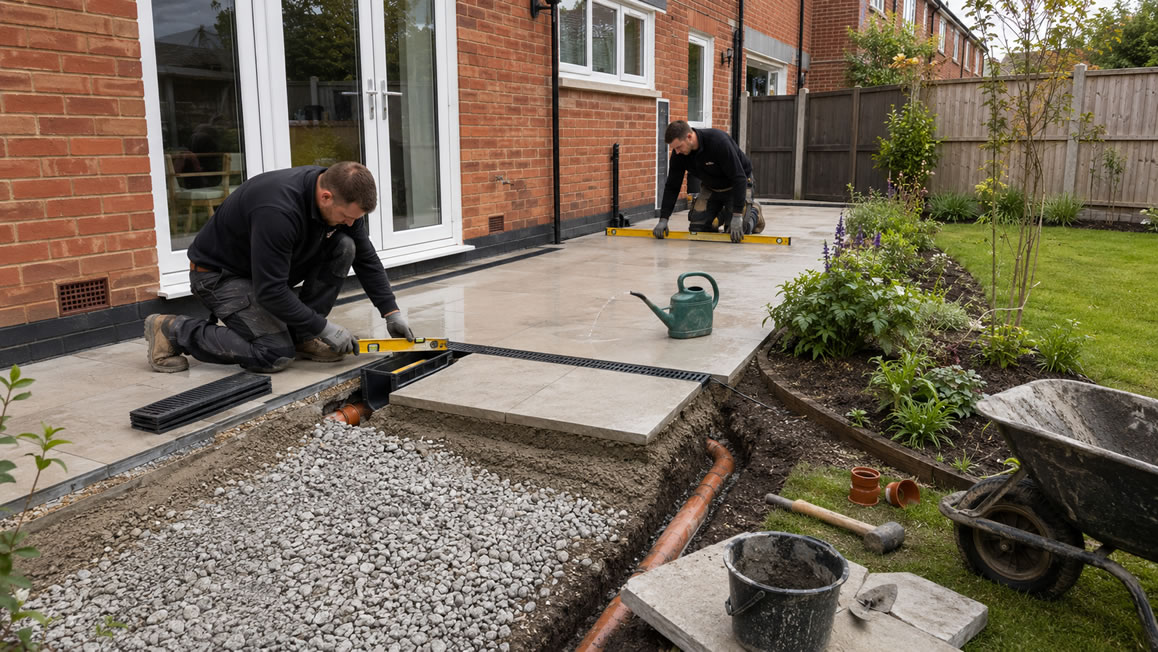
Likewise, leaf removal will not resolve a patio that pools water because of its construction. Our guide to patio drainage and standing water explains that separate issue. Identify the cause before adding more routine cleaning to your maintenance plan.
When regular garden maintenance is the better fit
Regular help makes sense when the same jobs keep slipping. A lawn that needs repeated cutting, borders requiring attention and a hedge that gradually narrows a path can benefit from an agreed programme. The gardener can also become familiar with your plants and preferences, provided the arrangement includes that level of care.
Ask what happens during a normal visit. “Two hours of gardening” does not tell you whether mowing takes priority over weeding, whether clippings are removed or whether a seasonal hedge cut costs extra. If the available time cannot cover everything, agree a priority order so the most important areas receive attention.
Choose frequency around the garden, not a fixed calendar
Weekly, fortnightly and monthly arrangements are different service options, not universal recommendations. Growth, weather, planting and your own contribution influence the interval. Ask the gardener to explain the proposed schedule and how it changes through the year, including whether winter visits are reduced or used for different jobs.
Seasonal work should also be selected for a reason. The RHS autumn lawn-care guide identifies September and October as useful months for several lawn tasks, while explaining that every treatment is not needed every year. An automatic annual package may therefore include work your lawn does not currently need.
Be equally clear about wildlife. You may want paths and the main lawn kept neat while retaining seedheads or a quieter border. The RSPB’s hedge guidance recommends avoiding hedge and tree cutting during the main breeding season, March to August. Discuss timing and wildlife checks with the gardener; a booked visit should not mean every plant gets cut back.
How to compare gardening quotations fairly
Give each business the same brief. A low price for mowing alone cannot be compared directly with a visit that includes mowing, edging, border care and taking away the waste. Ask for written details of the work, the total payable including any applicable VAT, and the circumstances that could lead to an additional charge.
- Labour: is the charge fixed for the job, per visit or based on time? If time-based, how many people attend and how are their hours counted?
- Waste: will it be removed, composted on site or placed somewhere you have agreed? Are larger branches or non-garden rubbish excluded?
- Equipment and materials: are tools, fuel and ordinary consumables included? Are plants, compost or lawn treatments additional?
- Access: mention narrow gates, steps, parking constraints and any need to carry equipment through the house.
- Service terms: check weather postponements, missed visits, notice periods and how extra work is authorised.
For an ongoing service, compare the same period. Ask each gardener to show the initial work separately from repeat visits, with an indicative schedule. There is little value in comparing a one-off total against a monthly payment without knowing what the monthly arrangement delivers.
Check current public liability insurance and ask for references or examples relevant to your job. Large tree work, structural changes and tasks requiring specialist access or equipment need suitable expertise; a general maintenance visit should not be assumed to cover them.
A practical example
Imagine a household with a manageable lawn but neglected borders. One proposal includes an initial border tidy followed by mowing visits. Another includes mowing and border attention at every visit, but excludes waste removal. Neither is automatically better. If you enjoy caring for the borders once they are reset, the first may fit. If you need continuing help with everything, the second may fit once waste arrangements are clarified.
This is an illustrative comparison, not a price estimate. Its purpose is to show why the task list matters more than the service label.
How to prepare a brief before requesting quotes
You only need a phone or camera and somewhere to record notes. A tape measure is useful for accessible areas, but do not climb, enter unstable structures or force your way through dense growth to gather measurements. These steps prepare an enquiry; they are not instructions for carrying out clearance work.
- Record the starting condition. Take broad photographs of the lawn, borders, paths and access. Note approximate dimensions where you can obtain them safely.
- Define the result. List the jobs you want completed, plants or wildlife areas to retain, and anything explicitly outside the job.
- Explain your contribution. Say which tasks you will handle between visits and whether you want a one-off reset, ongoing help or quotations for both.
- Describe access and waste arrangements. Include gate restrictions, steps, parking and whether suitable material can stay in an agreed composting area.
- Request comparable written proposals. Ask businesses to separate initial work, recurring visits, optional treatments and waste charges before you choose.
Frequently asked questions
Can I book a tidy-up before deciding on regular maintenance?
Yes, if the gardener offers both services. Ask for separate quotations and avoid assuming that accepting the initial job commits you to future visits.
Does garden maintenance include taking away clippings?
Only if that is included in the agreement. Some gardeners remove suitable waste, while others use an agreed compost area or leave material on site. Confirm the arrangement before booking.
Is a monthly visit enough for a small garden?
Garden size alone does not determine frequency. Planting, growth, the appearance you want and the work you do between visits all matter. Ask for a schedule based on those factors.
Will one tidy-up stop weeds coming back?
No. A visit can deal with agreed existing growth, but ongoing conditions and new growth still need attention. Ask what follow-up care the gardener recommends rather than expecting a permanent result.
Choose the arrangement you can sustain
Start with a clear task list and decide who will handle the garden afterwards. You can request a gardener quote through Gardener Quote for a one-off job or regular care. The website introduces enquiries to independent professionals, with availability depending on your area; the individual business discusses and quotes for the work.
Before accepting, check the scope, timing and exclusions directly with the gardener. A useful agreement should make it clear what will be done on the first visit and what happens next.