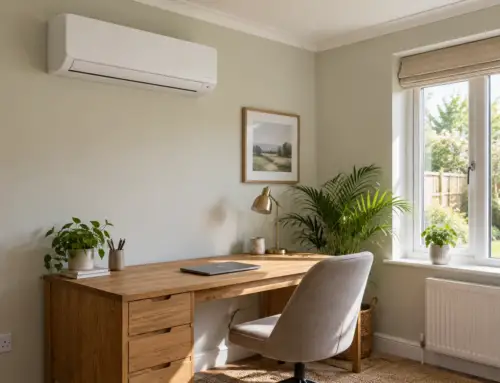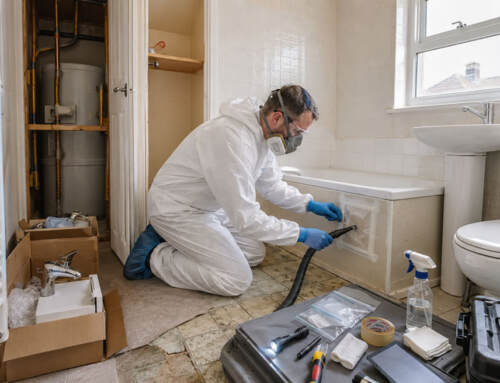


Domestic air conditioning has become more familiar in UK bedrooms, loft conversions, home offices, conservatories and open-plan living areas. A modern split system can provide dependable cooling in summer and, on many models, efficient heating during colder weather.
Even so, air-conditioning equipment can develop faults. Some problems begin with a dirty filter, incorrect control setting or blocked outdoor unit. Others involve condensate pumps, sensors, motors, electrical components or the sealed refrigerant circuit and need a qualified engineer.
There is no reliable national table showing the exact percentage of UK repairs caused by each fault. Therefore, this guide does not claim that every problem follows a fixed ranking. Instead, it covers the symptoms homeowners report most often and the issues air-conditioning engineers commonly investigate.
How a Split Air-Conditioning System Works
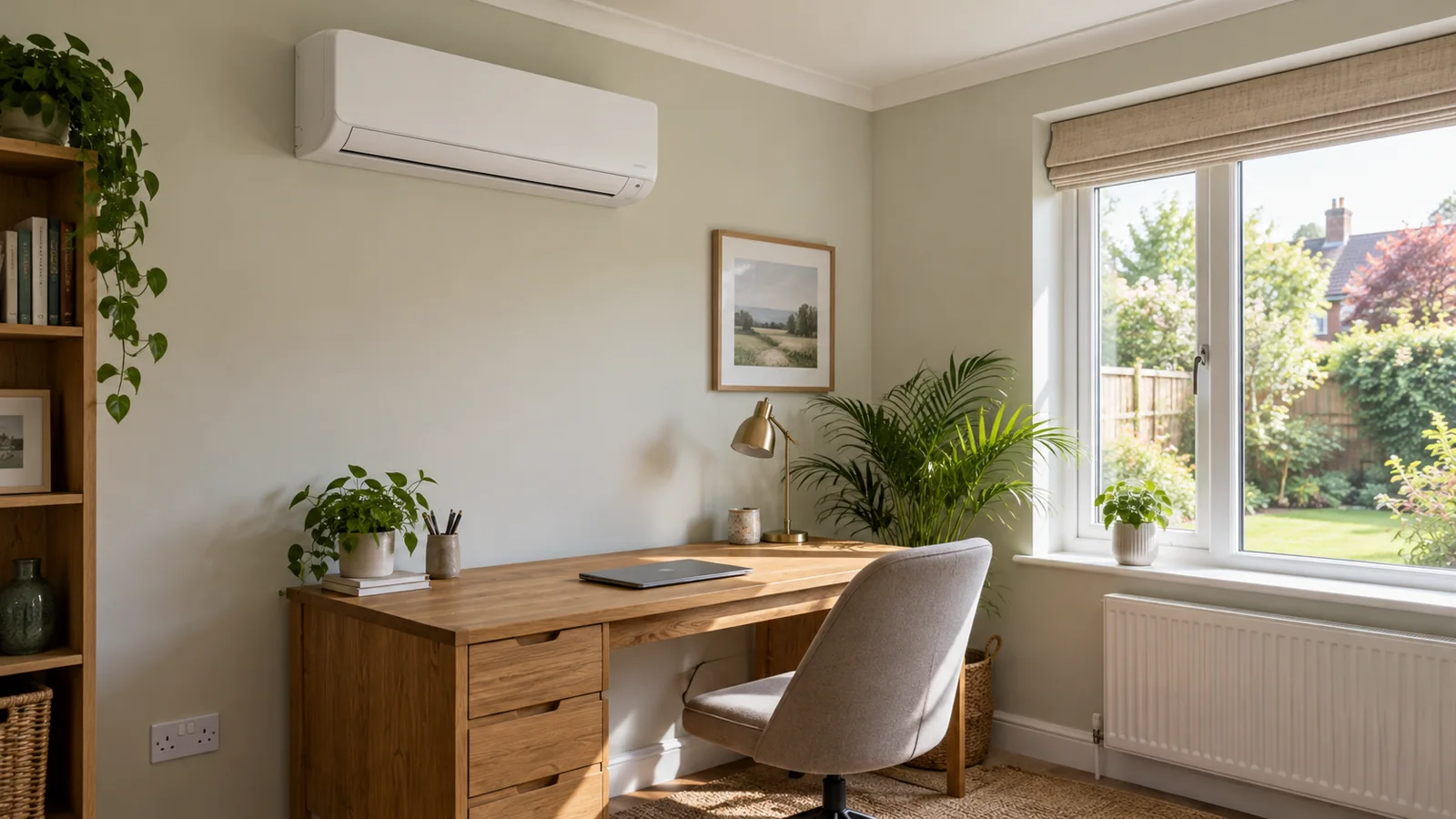
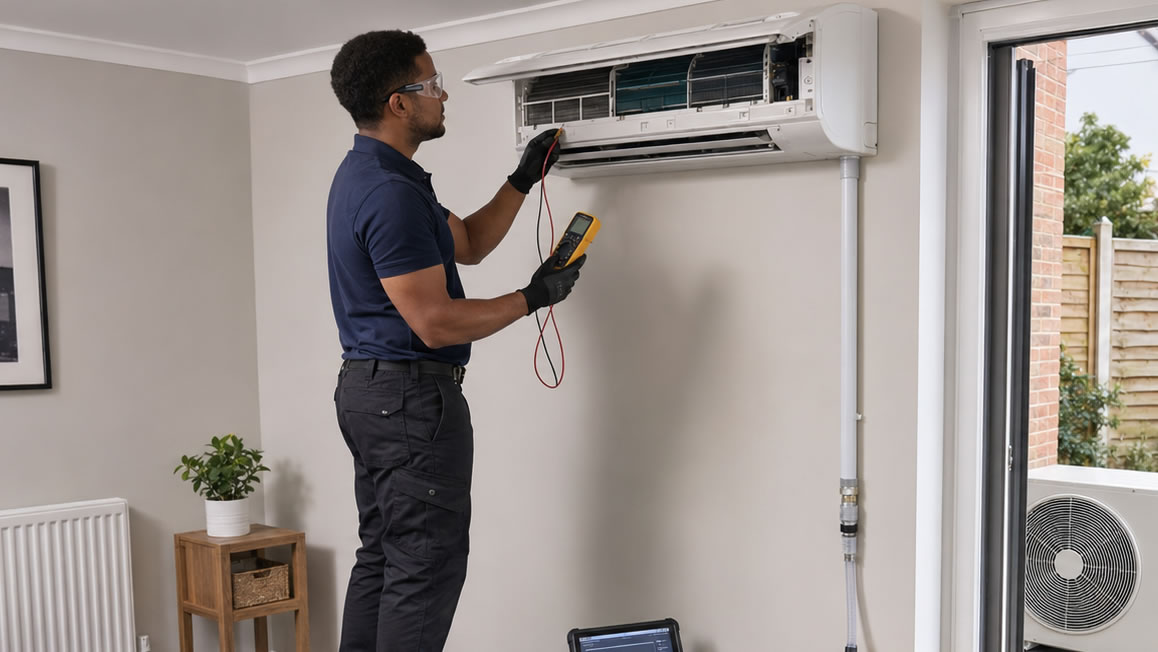
A typical home system has an indoor unit and an outdoor condenser connected by insulated refrigerant pipework, controls, electrical wiring and a condensate drain.
During cooling, the indoor unit absorbs heat from the room and transfers it outside. Moisture in the air can condense on the cold indoor coil, so the system also needs to remove water through a gravity drain or condensate pump.
Reversible systems operate as air-to-air heat pumps. In heating mode, they reverse the refrigeration cycle and transfer heat from the outdoor air into the home.
A fault in one area can affect the whole system. For example, low airflow across the indoor coil may reduce cooling and cause ice, while a blocked drain can lead to water leaking from an otherwise functional unit.
Common Air-Conditioning Symptoms at a Glance
| Symptom | Possible causes | First safe checks |
|---|---|---|
| Unit runs but does not cool | Dirty filter, wrong mode, blocked airflow, high heat load, sensor fault or refrigerant problem | Check mode, set temperature, filters, windows and visible obstructions |
| Weak airflow | Dirty filter, closed louvres, blocked intake, fan problem or dirty coil | Clean filters as instructed and check airflow settings |
| Water leaking indoors | Blocked drain, failed pump, damaged pipe, frozen coil or poor fall | Turn the unit off and check for obvious overflow without opening covers |
| Ice on pipes or indoor unit | Restricted airflow, dirty coil, fan issue, low refrigerant or control fault | Switch off cooling and arrange inspection if icing returns |
| Unit will not start | Power supply, isolator, remote batteries, timer, protection delay, control board or sensor | Check controls, batteries and visible supply switches |
| Circuit breaker trips | Electrical fault, damaged cable, motor, compressor or moisture | Leave the system off and call a competent engineer |
| Unusual noise | Loose panel, fan obstruction, bearing, pump, vibration or compressor issue | Note where and when the noise occurs |
| Bad smell | Dirty filter, wet drain pan, microbial growth, stagnant condensate or electrical overheating | Clean approved filters; stop using it for burning smells |
| Error code | Sensor, communication, fan, refrigerant, pressure or electrical fault | Record the exact code and model number |
| Poor heating | Wrong mode, dirty filters, defrost cycle, low outdoor temperature or system fault | Check settings and allow for normal defrost operation |
The same symptom can have several causes. Consequently, an engineer normally needs to test the system rather than replacing the first part that appears related.
1. The Air Conditioner Is Not Cooling Properly
Poor cooling is one of the most common reasons homeowners request an air-conditioning repair. Sometimes the unit produces air, but the room never reaches the selected temperature. In other cases, the air feels barely cooler than the room.
Start with the simple checks. Daikin’s UK troubleshooting guidance recommends checking that filters are clean, indoor and outdoor openings are unobstructed, the temperature is appropriate, windows and doors are closed and airflow settings are suitable.
Other possible causes include:
- an indoor coil covered in dust;
- a dirty or blocked outdoor heat exchanger;
- a fan that cannot reach the correct speed;
- a room temperature sensor reading incorrectly;
- a refrigerant leak or incorrect charge;
- a restriction within the refrigerant circuit;
- a failing compressor or electronic expansion component;
- a unit that was undersized for the room’s heat load;
- extreme solar gain through a conservatory or loft room;
- doors left open to spaces outside the original design.
Do not keep lowering the thermostat in the hope that a faulty system will cool faster. The set temperature does not increase the unit’s maximum output. If clean filters and correct settings make no difference, an engineer should measure temperatures, airflow, electrical operation and refrigerant-related performance.
2. Weak or Uneven Airflow
Weak airflow can make a working system feel ineffective. The room may develop hot and cold areas, while the indoor unit runs for long periods.
A clogged filter is a common and easily corrected cause. Dust, pet hair and pollen restrict the amount of air passing through the unit. Closed louvres, furniture, curtains and tall shelving can also interfere with circulation.
If airflow remains poor after approved filter cleaning, the system may have:
- dirt on the indoor heat exchanger;
- a contaminated fan barrel;
- a weak or failed fan motor;
- a damaged fan wheel;
- a control-board or speed-control problem;
- ice blocking the coil;
- incorrectly positioned or undersized ductwork on a concealed system.
Cleaning a fan or coil normally requires more disassembly than washing a reusable filter. Arrange professional servicing rather than spraying household cleaner into the unit.
3. Water Leaking from the Indoor Unit
Air conditioners naturally produce condensate during cooling. That water should flow through a drain or be lifted away by a small pump. It should not drip down the wall, ceiling or furniture.
Indoor leakage may result from:
- a drain blocked by dust, slime or debris;
- a condensate pipe with poor fall or a sagging section;
- a disconnected or cracked drain fitting;
- a blocked trap;
- a failed or noisy condensate pump;
- a stuck float switch;
- an overflowing drain pan;
- a frozen coil melting after shutdown;
- poor unit levelling or installation damage.
Switch the system off if water is entering the room, especially near electrical equipment. Protect furnishings where it is safe to do so, but do not open electrical covers or continue operating the unit to “see if it clears”.
An engineer should clear and test the complete drain route. Simply removing visible water does not address the blockage or pump fault that caused it.
4. Ice on the Indoor Unit or Refrigerant Pipes
Ice may appear on the indoor coil, pipe connections or nearby copper pipework. Cooling performance often falls at the same time, and a large amount of water may appear when the ice melts.
Possible causes include:
- restricted airflow from dirty filters or coils;
- a faulty indoor fan;
- a blocked return or discharge path;
- low refrigerant caused by leakage;
- a refrigerant-flow restriction;
- an incorrect sensor reading;
- operating the system outside its designed conditions.
Turn off cooling and allow the ice to melt naturally. Do not chip it away or use direct heat, because this could damage the coil or pipework. If the problem returns after checking filters and airflow, book a repair.
Refrigerant should not simply be “topped up” without investigating why the level is low. A sealed system does not consume refrigerant in normal operation. The engineer should locate and address leakage where required before restoring the correct charge.
5. The Air Conditioner Will Not Switch On
A unit that appears completely dead may have a straightforward control issue or a more serious electrical fault.
Safe initial checks include:
- replacing the remote-control batteries;
- making sure the controller is set to cooling or heating rather than fan-only mode;
- checking whether an off timer or weekly schedule is active;
- confirming that the local isolator has not been switched off accidentally;
- checking the household consumer unit once for a clearly identified tripped circuit;
- waiting a few minutes after restoring power, because many systems use a protective restart delay.
If a breaker trips again, leave it off. Repeated resetting can expose the equipment to further damage and may create a safety risk.
Professional diagnosis may find a failed power supply, fuse, transformer, sensor, control board, communication cable, fan motor or compressor component. Engineers should test rather than assume the indoor unit is at fault simply because its display is blank.
6. The Circuit Breaker Keeps Tripping
A breaker or protective device that trips repeatedly indicates a fault or unsafe condition. Potential causes include:
- damaged or loose wiring;
- moisture entering electrical components;
- a failed fan motor;
- a compressor electrical fault;
- a failing capacitor on equipment that uses one;
- insulation breakdown;
- an unsuitable or overloaded circuit;
- damaged outdoor-unit components.
Do not fit a larger breaker or bypass protection to keep the system running. Leave the equipment isolated and arrange inspection by a competent air-conditioning engineer and, where necessary, a qualified electrician.
Burning smells, smoke, scorching, sparking or hot cables require urgent shutdown. If there is an immediate fire risk, follow emergency advice and do not approach unsafe equipment.
7. Unusual Noises or Vibration
Air conditioners make some normal sounds. Fans move air, plastic panels expand and contract, refrigerant flows through pipework and reversible systems change operation during defrost.
New, loud or persistent noise deserves attention. Common descriptions include:
- rattling from a loose panel or pipe cover;
- buzzing from an electrical component;
- grinding from a fan motor or bearing;
- clicking that continues beyond normal switching;
- gurgling from refrigerant or condensate pipework;
- vibration travelling through wall brackets;
- knocking caused by a damaged fan or obstruction;
- a noisy condensate pump.
Check whether leaves or branches visibly obstruct the outdoor unit, but keep hands and tools away from fan openings. Note whether the sound occurs during cooling, heating, startup, shutdown or defrost. This information can help the engineer reproduce the fault.
Anti-vibration mounts can reduce structure-borne noise when the unit and brackets are otherwise sound. However, mounts will not repair a damaged fan, compressor or loose internal component.
8. Unpleasant or Burning Smells
A musty smell may come from dirty filters, moisture on the indoor coil, a contaminated drain pan or stagnant condensate. Systems used only during occasional heatwaves can collect dust between seasons.
Professional cleaning may include the indoor coil, fan, drain pan and condensate route. The engineer should use products and methods suitable for the equipment rather than strong household chemicals that could damage coatings or plastics.
A hot-plastic, fishy or burning smell is different. Turn the system off and isolate it if safe, because overheated wiring or an electrical component may be involved. Do not restart it until a competent person has inspected the unit.
Gas-like or chemical odours should also be taken seriously. Ventilate the area where it is safe and seek professional advice. Do not use naked flames to investigate any suspected refrigerant issue.
9. Error Codes and Flashing Lights
Modern systems monitor temperatures, fans, pressure-related conditions, communication and electrical operation. When a reading falls outside the expected range, the controller may display a code or flash a sequence of lights.
An error code helps narrow the diagnosis, but it does not always identify one failed component. For example, a high-temperature fault could relate to airflow, refrigerant, a sensor or the compressor rather than proving that the compressor must be replaced.
Before calling an engineer, record:
- the complete code or light pattern;
- indoor and outdoor model numbers;
- when the code appears;
- whether the system was cooling or heating;
- any recent power cut, cleaning or building work;
- unusual sounds, smells, ice or water leakage.
Avoid repeatedly switching the power off to erase the code. A reset may temporarily clear the symptom and remove useful diagnostic information without correcting the cause.
10. Refrigerant Leaks
The refrigerant circuit should remain sealed. A leak may reduce cooling and heating, cause icing, increase running time or trigger a fault code. Some leaks develop at flare connections or service valves, while others involve damaged pipes or coils.
Only a properly qualified person should open, test, repair or recharge the refrigerant system. GOV.UK guidance states that people working on stationary air-conditioning equipment containing F-gas need the correct qualification for installation, servicing, maintenance, leak checking, gas recovery and decommissioning.
A proper repair may involve:
- recovering refrigerant where required;
- pressure-testing the circuit safely;
- locating the leak;
- repairing or replacing the defective part;
- retesting and evacuating the system;
- weighing in the specified refrigerant charge;
- commissioning and performance checks.
Adding gas without addressing leakage can lead to repeated failure and unnecessary environmental harm. According to official Daikin operating guidance, poor heating or cooling can indicate leakage and should be assessed by qualified service personnel.
11. Sensor or Thermostat Faults
Air-conditioning systems use sensors to monitor room, coil, pipe and outdoor temperatures. A damaged, displaced or inaccurate sensor may cause short cycling, poor temperature control, icing or an error code.
The room can also feel incorrectly controlled when the sensor itself is working but sits in an unrepresentative location. Direct sunlight, heat from appliances, cold draughts or air recirculating around the indoor unit can affect readings.
An engineer can compare sensor resistance or reported temperature with expected values and inspect its position. Replacing controls without testing may not solve a problem caused by airflow or installation layout.
12. Fan Motor and Airflow Component Faults
Both indoor and outdoor units rely on fans. The indoor fan moves room air across the coil, while the outdoor fan helps reject or collect heat.
Fan problems may produce weak airflow, intermittent operation, grinding, error codes or overheating. Causes can include a worn motor, damaged blade, contaminated fan barrel, control-board fault, loose connector or physical obstruction.
Turn the unit off if a fan is scraping, striking its housing or failing to rotate correctly. Do not push objects through the grille or attempt to start a jammed fan by hand.
13. Compressor and Inverter Problems
The compressor circulates refrigerant around the system. Many modern units use inverter electronics to vary compressor speed and match demand.
Compressor or inverter faults can cause:
- no cooling or heating;
- a breaker trip;
- unusual outdoor-unit noise;
- intermittent shutdown;
- high-temperature or current-related error codes;
- the indoor fan running while the outdoor unit remains unavailable.
These are not faults that a homeowner can confirm by listening alone. The engineer may need to check supply voltage, windings, insulation, current, sensors, pressures and the inverter power module.
Major component repairs can be expensive, particularly on an old system with limited parts availability. A written comparison between repair and replacement can help the homeowner make a sensible decision.
14. Heating Mode Does Not Work Properly
Reversible air conditioners behave differently in heating mode. The indoor fan may pause after startup while the coil warms. During cold or damp weather, the outdoor unit may enter a defrost cycle to remove ice.
During defrost, homeowners may notice:
- a temporary pause in indoor heating;
- water beneath the outdoor unit;
- steam or mist outside;
- a change in operating sound;
- the outdoor fan stopping briefly.
These signs can be normal. However, heavy ice that never clears, repeated fault codes or persistently poor heating may indicate blocked airflow, a sensor issue, refrigerant trouble, drainage problems or equipment that is unsuitable for the conditions.
Keep the space around the outdoor unit clear and make sure defrost water can drain safely without creating ice on a path.
15. Remote Control, Wi-Fi or Communication Faults
Sometimes the air conditioner works from its local controller but not from an app, Wi-Fi module or home network. This points towards a control or connectivity issue rather than a refrigeration fault.
Check remote batteries, Wi-Fi availability, router changes and the manufacturer’s service-status information. Avoid deleting accounts or resetting equipment until you have recorded settings and error messages.
If the indoor and outdoor units cannot communicate, the system may display a technical code and stop. Damaged cabling, incorrect voltage, loose terminals or a failed control board require professional testing.
What Homeowners Can Check Safely
Basic checks can prevent an unnecessary callout, but they should not involve opening electrical or refrigerant sections.
1. Record the symptoms
Note the error code, mode, set temperature, noises, smells, leakage and when the problem began. Photograph the controller display if useful.
2. Check the controller
Confirm cooling, heating or automatic mode as appropriate. Check the set temperature, fan speed, timer and remote batteries.
3. Close doors and windows
An open room can add more heat or cold than the system was designed to handle. Close the space and allow reasonable time for the temperature to change.
4. Inspect and clean approved filters
Turn the unit off and follow the manufacturer’s instructions. Clean only the homeowner-removable filters and make sure they are fully dry before refitting if washing is permitted.
5. Look for visible obstructions
Check that curtains and furniture do not block the indoor unit. From a safe position, make sure leaves, stored items and plants do not obstruct the outdoor airflow.
6. Check the visible power controls
Confirm that the isolator has not been turned off accidentally. If a clearly identified breaker has tripped, reset it no more than once. Leave it off if it trips again.
7. Allow for protection delays
Many units wait a few minutes before restarting. Heating systems may also pause during defrost or while the indoor coil warms.
8. Call an engineer if the fault remains
Provide the model numbers, code and observations when booking. This may help the contractor prepare likely parts and diagnostic equipment.
When to Turn the Air Conditioner Off Immediately
Stop using the system and seek professional help if you notice:
- smoke, sparks or a burning electrical smell;
- a breaker that trips repeatedly;
- water reaching sockets, wiring or electrical equipment;
- severe grinding, banging or a fan striking its housing;
- damaged cables or exposed conductors;
- persistent heavy icing;
- suspected refrigerant leakage;
- an outdoor unit that has moved or become insecure;
- a fault code that the manufacturer classifies as requiring service.
Do not remove covers or touch wet electrical components. Where there is an immediate danger, keep people away and follow the appropriate emergency procedure.
What Happens During an Air-Conditioning Repair Visit?
A good engineer starts with diagnosis rather than assuming the system needs gas or a replacement board.
The visit may include:
- confirming the reported symptom and checking stored fault history;
- inspecting filters, coils, fans and condensate drainage;
- measuring supply voltage and electrical operation;
- checking sensors and communication between units;
- recording air-on and air-off temperatures;
- inspecting pipework and connections;
- carrying out refrigerant checks when justified;
- testing cooling, heating and defrost operation;
- explaining the fault, repair options and likely parts availability.
Ask for a written description of the diagnosis. If the repair requires an expensive component, the quotation should identify the part and explain whether labour, refrigerant, commissioning and warranty are included.
Choosing a Qualified Air-Conditioning Repair Company
Refrigerant work requires the correct credentials. The individual engineer needs an appropriate qualification, while GOV.UK company-certification guidance says companies, including sole traders, must be certified to service stationary air-conditioning equipment containing F-gas for other people.
Before booking, check:
- individual and company F-gas credentials where applicable;
- experience with the system’s manufacturer and model;
- suitable public-liability insurance;
- diagnostic or callout charges;
- hourly labour and return-visit terms;
- whether parts carry a warranty;
- whether the company can complete electrical work involved;
- what happens if the fault cannot be reproduced;
- whether refrigerant recovery and disposal are included where required.
A contractor who immediately recommends a gas top-up without leak diagnosis may not be offering a complete repair.
How Much Do Air-Conditioning Repairs Cost?
Repair prices vary widely. Cleaning a blocked drain or replacing a remote controller is very different from repairing pipework, fitting a fan motor or replacing an inverter board.
Cost factors include:
- diagnostic and callout charges;
- access to indoor and outdoor equipment;
- manufacturer and parts availability;
- age and refrigerant type of the system;
- need for leak testing, recovery and recharging;
- electrical diagnosis or additional electrician attendance;
- condensate-pump replacement;
- working at height;
- number of indoor units on a multi-split system;
- return visits after parts arrive;
- commissioning and warranty on completed work.
Request an itemised estimate once the fault has been diagnosed. A fixed price may not be possible before testing, but the company should explain its callout and labour structure in advance.
Repair or Replace the Air Conditioner?
Repair usually makes sense when the system is relatively modern, efficient, correctly sized and supported with available parts. A filter, pump, sensor or fan fault does not normally justify replacing the complete installation.
Replacement may deserve consideration when:
- a major component has failed on an old system;
- parts are obsolete or have long lead times;
- the equipment has suffered repeated leaks or breakdowns;
- corrosion has affected the outdoor unit or coil;
- the original system was incorrectly sized;
- several components are near the end of their life;
- a newer system could improve efficiency, noise or room coverage;
- repair costs approach a substantial share of replacement cost.
Ask for both options in writing. Replacement pricing should include removal, refrigerant recovery, new electrical or pipework requirements, commissioning and waste disposal.
How Regular Servicing Can Reduce Faults
Maintenance cannot prevent every component failure, but it can identify dirt, drainage problems, loose connections and unusual performance before a complete breakdown.
Daikin’s maintenance guidance describes professional checks including system diagnostics, condensate-drain inspection, unit stability and attention to worn or loose components. It also advises homeowners not to service refrigerant themselves.
A suitable maintenance routine may include:
- homeowner filter cleaning at the manufacturer’s recommended intervals;
- periodic professional coil and fan inspection;
- condensate drain and pump testing;
- electrical and control checks;
- outdoor-unit cleaning and clearance;
- refrigerant-related performance assessment;
- testing both cooling and heating before peak seasons.
For a cooling-only pattern of use, arranging service before warm weather can reveal problems before demand for repair engineers increases.
Frequently Asked Questions
Why is my air conditioner running but not cooling?
Possible causes include incorrect settings, dirty filters, blocked airflow, open windows, a dirty coil, fan trouble, a sensor fault or a refrigerant problem. Complete the safe basic checks and call an engineer if performance does not improve.
Why is water dripping from my indoor air-conditioning unit?
The condensate drain may be blocked, disconnected or poorly sloped. A condensate pump or float switch could also have failed, while a frozen coil may release water as it melts. Turn the unit off and arrange inspection.
Is ice on air-conditioning pipes normal?
Persistent ice on the indoor coil or refrigerant pipes is not normal during cooling. Restricted airflow, a fan fault, a sensor issue or low refrigerant can cause it. Switch off cooling and seek advice if icing returns.
Can I reset a tripped air-conditioning breaker?
You may reset a clearly identified breaker once after checking for obvious danger. If it trips again, leave the system off and call a competent engineer. Never fit a larger breaker or bypass electrical protection.
Does an air conditioner need regular refrigerant top-ups?
No. A correctly installed sealed system does not consume refrigerant in normal use. Low refrigerant usually indicates leakage or another service issue that should be investigated before recharging.
Is steam from the outdoor unit a fault in winter?
Not necessarily. A reversible system can produce visible mist or steam during a normal defrost cycle. The indoor heating may pause briefly. Persistent heavy icing or a fault code still requires investigation.
Who can repair an air conditioner containing F-gas?
Regulated work on the refrigerant circuit must be completed by someone with the correct F-gas qualification. The business servicing stationary equipment for other people must also hold relevant company certification where required.
How do I decide whether to repair or replace my air conditioner?
Consider the system’s age, efficiency, condition, repair history, parts availability and the cost of the failed component. Ask for written repair and replacement options when a major part has failed.