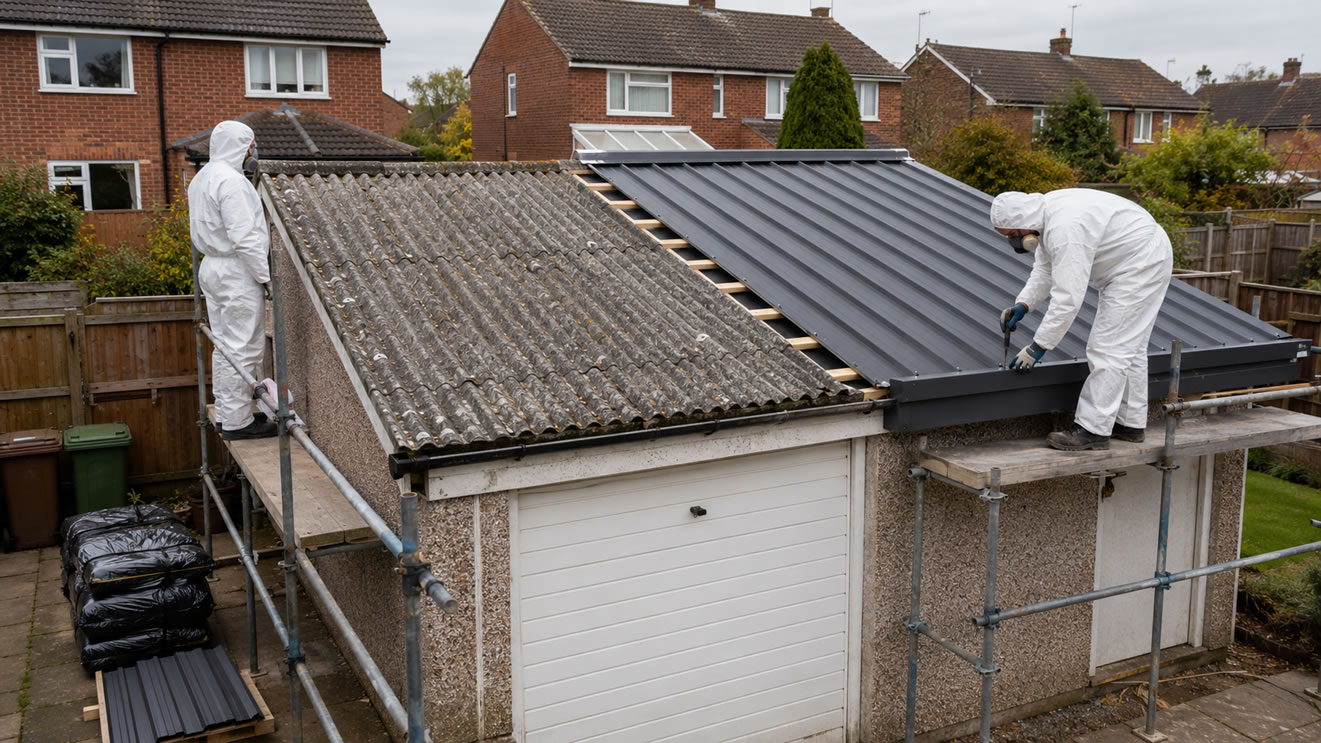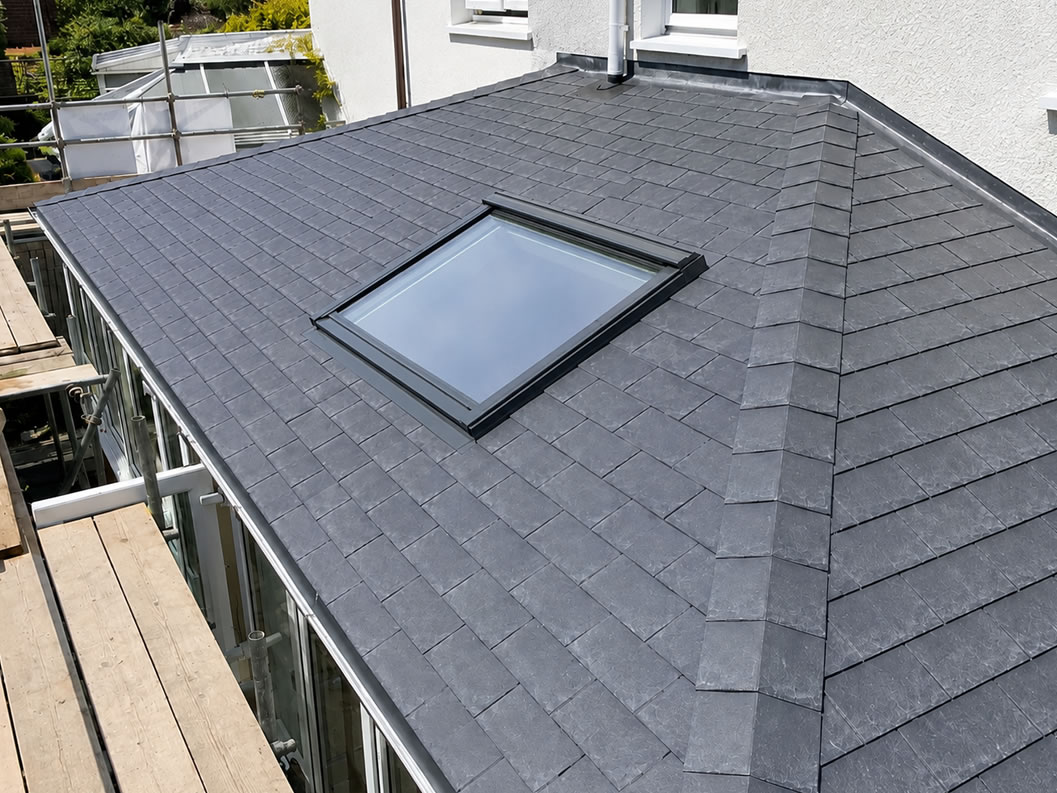


If you’re Googling roofing prices, you’re probably not looking for a single number — you want to know what’s normal so you can spot an overpriced quote (or a suspiciously cheap one). Roofing costs in the UK vary because roofs vary: height, pitch, access, materials, and how much hidden damage sits under the tiles.
This version is written as a budgeting guide (different to a typical “list of repairs” post). You’ll get:
-
price bands for common jobs
-
a simple way to estimate costs before you get quotes
-
a clear regional comparison
-
tables you can use to compare quotes properly
The 3-part formula behind most roofing quotes
Most roofing prices boil down to three buckets:
-
Access & safety (scaffold/roof ladder, edge protection)
-
Work scope (repair area size, complexity, labour time)
-
Materials & waste (tiles/slates/lead/boards + disposal)
Typical cost split (rule of thumb)
| Cost bucket | Often accounts for | Why |
|---|---|---|
| Access & safety | 20%–50% | Scaffold can dwarf the “actual fix” |
| Labour (roofers) | 30%–60% | Skilled work + time on roof |
| Materials & waste | 10%–30% | Tiles, felt, battens, lead, skip |
If two quotes are far apart, it’s often because one includes scaffold / waste / making good and the other doesn’t.
A quick “before you get quotes” estimator
If you know your roof area (or can approximate it), you can sanity-check totals.
Pitched roof rough budgeting (per m²)
| Work type | Typical budget band (installed) | Notes |
|---|---|---|
| Minor repairs (localised) | £80–£180/m² | Usually small areas; access dominates |
| Larger repairs / partial rework | £120–£220/m² | More time, more materials |
| Full replacement (strip & recover) | £150–£300+/m² | Varies by material, complexity, access |
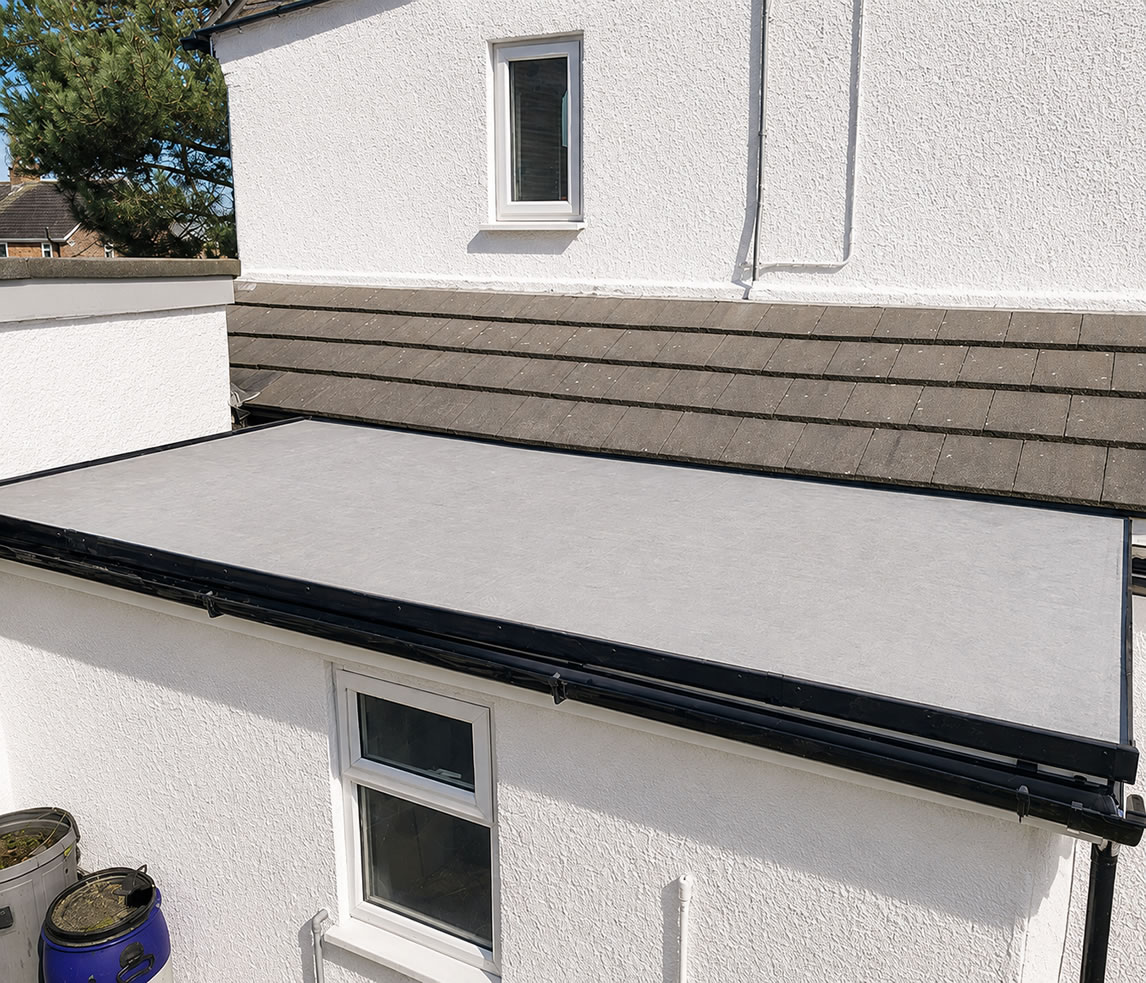
Flat roof rough budgeting (per m²)
| Flat roof system | Typical budget band (installed) | Notes |
|---|---|---|
| Felt (torch-on) | £70–£140/m² | Often the budget-friendly option |
| EPDM rubber | £80–£160/m² | Popular for longevity |
| GRP fibreglass | £90–£200/m² | Often higher due to detailing |
These are budgeting bands, not a quote. If your roof is high, awkward, or scaffold-heavy, totals can land above the upper end.
Common roofing jobs and typical price ranges (UK)
This is the “what people actually pay for most often” list.
| Job | What’s included (normally) | Typical price band |
|---|---|---|
| Roof inspection / leak investigation | Time on roof + identifying source | £120–£350 |
| Replace a few tiles/slates | Small replacement + fix battens if needed | £150–£500 |
| Fix minor leak (localised) | Repair of entry point + make good | £200–£650 |
| Ridge re-bed / local ridge repair | Repoint/rebed a section | £300–£900 |
| Valley repair (lead or dry valley) | Repair/renew valley section | £450–£1,500 |
| Chimney flashing repair | Leadwork at chimney junction | £300–£1,200 |
| New guttering run / repair | Replace/repair lengths | £250–£1,200 |
| Flat roof replacement (small) | Strip + new system | £1,200–£4,000 |
| Pitched roof replacement (typical house) | Strip & recover (scope varies) | £4,000–£15,000+ |
Why the huge ranges? Height and access. A simple repair on a 2-storey terrace is not the same job as the same repair on a 3-storey townhouse with no easy scaffold base.
Repair vs replace: when each tends to be better value
This section helps you avoid spending money twice.
Repairs tend to be best when…
-
the roof is generally sound and the issue is localised
-
you’re fixing storm damage, slipped tiles, or a single weak junction
-
felt and battens are still in decent condition
Replacement tends to be better value when…
-
you’ve got multiple leaks or recurring failures
-
tiles are at end-of-life / widespread cracking
-
underlay/battens have degraded and repairs keep expanding
Decision table
| Situation | Usually best | Why |
|---|---|---|
| One leak, limited damage | Repair | Cheapest route if structure is OK |
| Repeated leaks across roof | Replace/major overhaul | Repairs become “whack-a-mole” |
| Underlay/battens failing widely | Replace | Fixing only the surface won’t last |
| You’re already scaffolding for another project | Do more now | Spread scaffold cost over more work |
Material choices: how they change roofing prices
People often compare quotes without noticing the material difference.
| Roof covering | Price impact | What to know |
|---|---|---|
| Concrete tiles | £ | Common and cost-effective |
| Clay tiles | ££ | Often pricier; heritage look |
| Natural slate | £££ | More labour + material cost |
| Synthetic slate | ££ | Can look good; varies by quality |
If one quote is “tile” and another is “slate” (or different slate grades), you’re not comparing the same job.
Regional roofing prices: simple comparison you can use
Roofing prices vary across the UK mainly due to labour rates, demand, and operating costs.
Regional uplift guide (use for budgeting only)
| Region | Typical adjustment vs UK midline |
|---|---|
| London | +20% to +45% |
| South East | +10% to +25% |
| South West | +5% to +15% |
| Midlands | baseline to +10% |
| North of England | -10% to baseline |
| Scotland | baseline to +10% |
| Wales | -5% to +5% |
| Northern Ireland | -5% to +5% |
Example: the same repair priced by region (illustration)
| Job example | UK midline | North | Midlands | South East | London |
|---|---|---|---|---|---|
| Leak repair + a few tiles | £300–£650 | £270–£600 | £300–£700 | £330–£800 | £360–£950 |
| Chimney flashing work | £450–£1,000 | £400–£950 | £450–£1,050 | £500–£1,250 | £550–£1,450 |
| Small flat roof replacement | £1,800–£3,800 | £1,650–£3,500 | £1,800–£4,200 | £2,000–£4,700 | £2,200–£5,500 |
Again: these are budgeting bands to help you anticipate how region may shift totals.
The “quote trap” checklist: why cheap quotes go wrong
If a quote looks unusually low, it often excludes something important.
| Often missing item | Why it matters |
|---|---|
| Scaffolding / safe access | Without proper access, workmanship can suffer |
| Underlay/battens allowance | If rotten, your quote can jump mid-job |
| Leadwork details | Flashing/valleys are common leak points |
| Waste removal | Skips and disposal add up |
| Making good | Replacing broken tiles, tidying, finishing |
| Written scope | Without it, disputes are common |
Quote comparison table (copy/paste into notes)
| Line item | Quote A | Quote B | Quote C |
|---|---|---|---|
| Access method (scaffold?) | |||
| Underlay/battens included? | |||
| Leadwork/flashings included? | |||
| Waste removal included? | |||
| Timescale + start date | |||
| Guarantee / workmanship | |||
| Total price |
FAQs: roofing prices (UK)
How can I estimate roofing costs without climbing on the roof?
Use broad per-m² budgeting bands and factor in access. Photos from ground level or an upstairs window help roofers quote more accurately.
Why does scaffolding change the price so much?
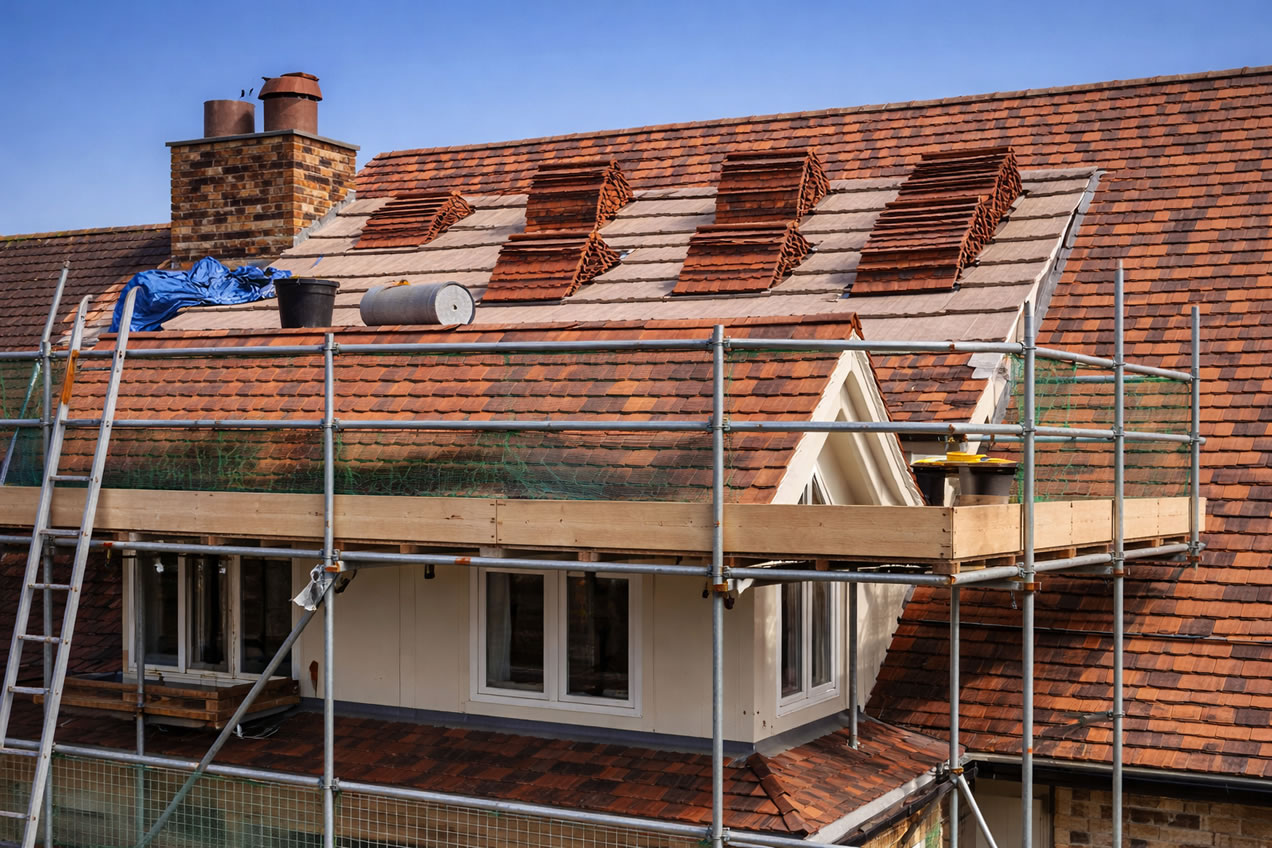
Chimneys, valleys and full replacements often need safe, stable access. Scaffold can be a major chunk of the overall cost, especially on taller properties.
Are “per m²” prices always reliable?
They’re useful for budgeting, but real quotes depend on complexity (valleys/dormers), access, and what’s under the covering.
Is winter more expensive for roofing work?
It can be harder to schedule because weather windows are smaller and demand can spike after storms. The bigger issue is availability.
Should I accept the cheapest quote?
Only if the scope matches. The best value quote is usually the one that clearly includes access, materials, waste removal, and making good — not the lowest number.
HowTo: get accurate roofing quotes (step-by-step)
-
Describe the problem and where it shows (leak location, slipped tiles, damp patch)
-
Add property details: postcode, storeys, roof type (flat/pitched), tile/slate if known
-
Attach safe photos (ground level or upstairs window only)
-
Ask for a written scope including access method, waste removal, and guarantees
-
Compare quotes using a checklist, not just the headline price