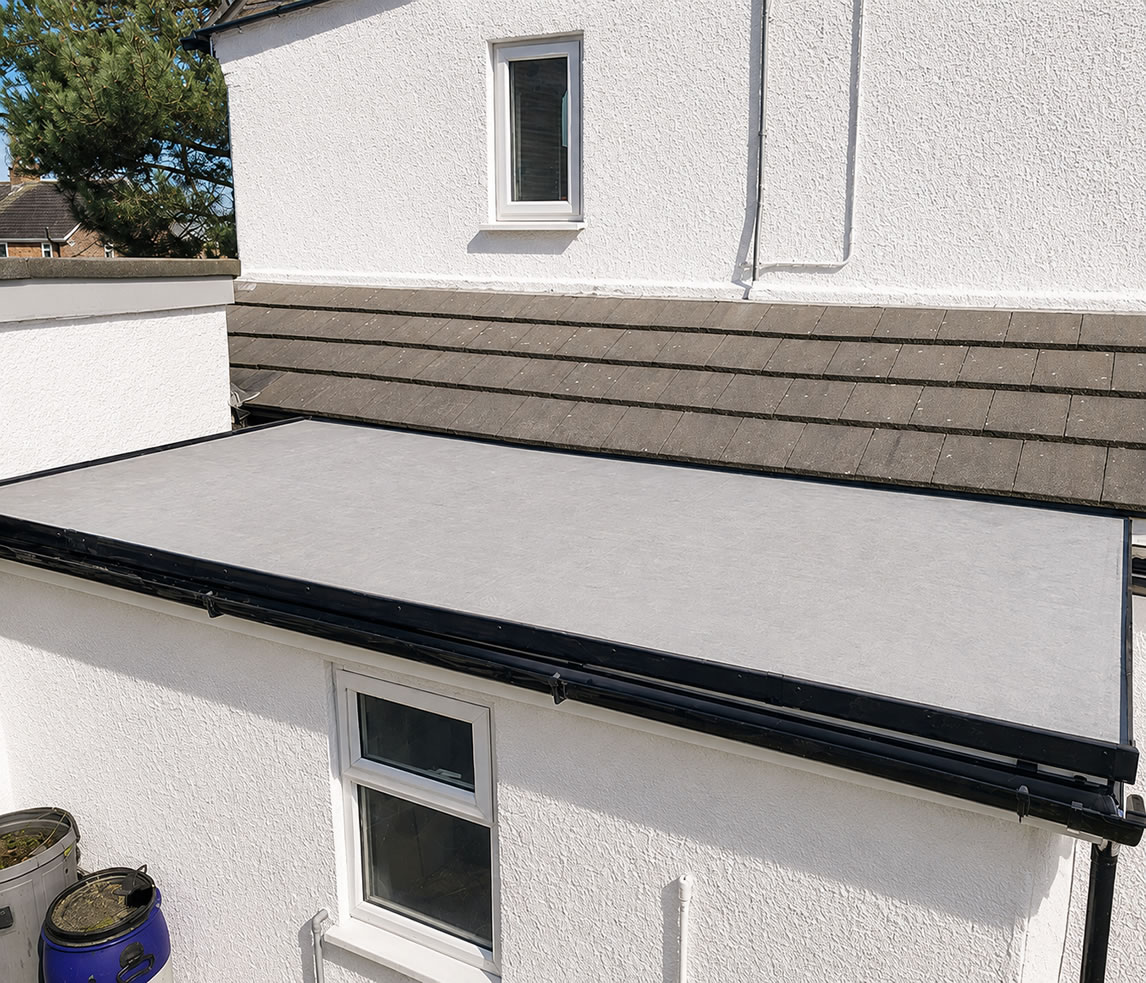


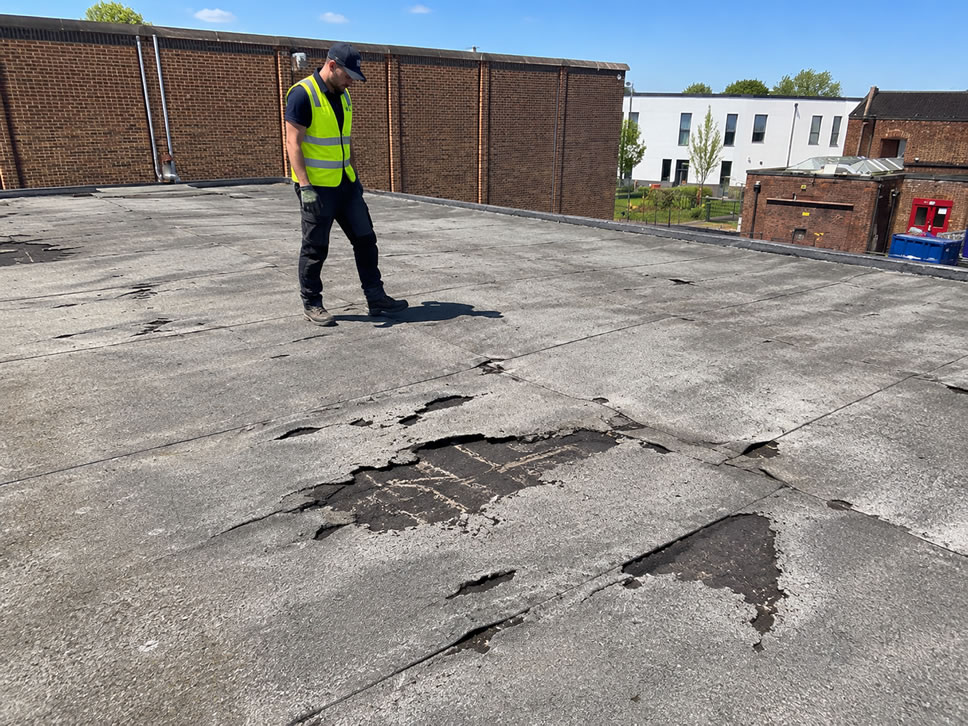
A properly installed felt roof can provide many years of reliable protection. However, its lifespan depends on much more than the visible membrane. Drainage, roof falls, decking, insulation, edge details and ongoing maintenance all affect how long the covering remains watertight.
Many felt roofs do not fail suddenly. Instead, small defects develop gradually. A blocked outlet leaves water standing on the surface, a seam begins to lift, or a small blister expands during warm weather. If the problem goes unnoticed, moisture can reach the deck and turn a straightforward repair into a complete roof replacement.
Understanding why felt roofs fail helps homeowners recognise early warning signs and take action before the damage spreads. This guide explains the main causes of failure and the practical steps that may help prolong the life of a felt roof.
How long should a felt roof last?
The lifespan of a felt roof depends on the type of system, installation quality, exposure and maintenance.
| Felt roof type | Broad expected lifespan |
|---|---|
| Basic shed felt | Around 5–10 years |
| Better-quality reinforced shed felt | Around 10–15 years |
| Professionally installed built-up felt system | Around 15–30 years |
| Premium multi-layer reinforced felt system | Potentially 25–30 years or more |
These figures are only general guides. A badly installed roof may fail much sooner, while a well-designed and carefully maintained system may last longer.
The roof is more likely to reach the upper end of its lifespan where:
- it has suitable drainage falls
- outlets remain clear
- the deck stays dry and stable
- upstands and edges were properly formed
- the correct membrane system was used
- foot traffic is limited
- small defects receive prompt attention
Quick guide: common reasons felt roofs fail
| Cause of failure | What happens | Possible result |
| Poor drainage | Water remains on the roof | Seam stress, leaks and deck damage |
| Incorrect installation | Membrane does not bond properly | Open laps, bubbles and lifting |
| Age and weathering | Felt becomes brittle | Cracks and surface deterioration |
| Trapped moisture | Water or vapour remains beneath membrane | Blisters, rot and wet insulation |
| Roof movement | Deck expands, contracts or deflects | Splits and failed joints |
| Damaged edges | Wind gets beneath perimeter felt | Lifting and water entry |
| Blocked outlets | Rain cannot drain away | Ponding and overflow |
| Foot traffic | Felt is punctured or crushed | Localised leaks |
| Poor upstands | Wall and rooflight junctions fail | Water penetration |
| Repeated temporary repairs | Defects become concealed rather than corrected | Recurring leaks |
1. Poor roof falls and ponding water
A flat roof should not be completely level. It needs a slight slope so that rainwater reaches the outlet or gutter.
When the fall is inadequate, water collects in low areas. This is known as ponding.
What causes ponding?
- poorly designed falls
- sagging decking
- deflected joists
- settled insulation
- blocked outlets
- previous repair layers creating uneven areas
- incorrectly positioned gutters
- low points behind rooflights or upstands
Why ponding shortens roof life
Standing water can:
- increase pressure on seams
- expose weak points for longer periods
- encourage moss and dirt
- worsen fine cracks
- freeze during cold weather
- hide punctures
- add weight to weakened decking
A felt roof may tolerate occasional shallow water, but persistent or deep ponding should not be ignored.
How to reduce the risk
- keep outlets clear
- inspect the roof after heavy rain
- repair sagging areas
- consider tapered insulation during replacement
- add or reposition outlets where appropriate
- correct reverse falls before installing a new membrane
2. Poor installation
A good membrane can still fail early if it is fitted incorrectly.
Common installation faults include:
- insufficient overlap between sheets
- inadequate heat or adhesive
- dirty or damp surfaces
- trapped air
- poor detailing at corners
- incorrect fixing spacing
- wrinkles in the membrane
- poorly sealed outlets
- felt installed over an unstable deck
- unsuitable materials used together
Signs of installation problems
- seams opening within a few years
- bubbles appearing soon after installation
- felt lifting at edges
- recurring leaks around the same detail
- water tracking beneath laps
- corners pulling away
- visible wrinkles or folds
Installation defects are often difficult to correct with surface sealant alone. The affected section may need opening, drying and rebuilding.
3. Trapped moisture beneath the felt
Moisture can become trapped during installation or enter later through a small defect.
When the roof heats up, trapped air or water vapour expands and pushes the felt upwards. This creates blisters or bubbles.
Sources of trapped moisture
- damp decking during installation
- rain entering before the roof was sealed
- leaks through a seam or puncture
- condensation within the roof build-up
- missing vapour-control layer
- wet insulation covered by a new overlay
Why blisters are a problem
A blister stretches the membrane. Repeated heating and cooling can cause it to:
- grow
- crack
- split around the edges
- weaken adjoining seams
- allow more water into the system
A few isolated dry blisters may be repairable. Widespread blistering often indicates a deeper problem.
4. Age, sunlight and temperature changes
Bitumen-based roofing materials naturally age.
Exposure to sunlight can cause the surface to dry and become brittle. Meanwhile, repeated heating and cooling makes the roof expand and contract.
Over many years, this movement can lead to:
- fine surface cracking
- loss of mineral granules
- hardened membrane
- split seams
- brittle corners
- shrinking around details
- reduced flexibility
South-facing roofs and exposed roofs may age faster because they experience greater heat and ultraviolet exposure.
How to slow weather-related deterioration
- use a suitable mineral cap sheet
- maintain protective coatings where approved
- arrange periodic inspections
- repair worn areas before reinforcement becomes exposed
- avoid dark temporary coatings that overheat unless system-approved
5. Movement in the roof deck
The felt covering follows the movement of the structure beneath it.
Timber decking may expand, shrink or deflect because of:
- changing moisture levels
- temperature variation
- insufficient board thickness
- poor fixing
- inadequate support
- over-spanned boards
- movement in the joists
- water damage
If the deck moves excessively, the felt may crack over joints or pull away at edges.
Warning signs
- straight cracks following board joints
- repetitive splits at fixed intervals
- visible sagging
- soft areas
- ponding that worsens over time
- movement when the roof is loaded
Surface repairs will continue failing if the deck remains unstable.
6. Open seams and failed joints
Built-up felt systems depend on securely bonded overlaps.
Seams may fail because of:
- insufficient bonding during installation
- contamination
- trapped moisture
- thermal movement
- standing water
- ageing adhesive
- poor overlap width
- physical damage
An open seam may look minor, yet it can allow water to travel a considerable distance beneath the membrane.
How to prolong seam life
- inspect laps annually
- repair lifting edges promptly
- avoid scraping or pressure-washing the surface
- keep water from sitting over joints
- use only compatible repair products
- have long or recurring seam failures professionally assessed
7. Weak edges and perimeter details
The perimeter of a roof experiences high wind pressure. Once air gets beneath a loose edge, it can lift a much larger section.
Common edge failures include:
- felt separating from fascia details
- broken perimeter trims
- cracked drip edges
- insufficient mechanical fixing
- decayed timber beneath trims
- membrane cut too short
- poor bonding at corners
Water may then enter the roof deck from the side rather than through the main surface.
Maintenance tips
- inspect edges after storms
- replace loose trims
- repair cracked perimeter felt
- check fascia timber remains sound
- avoid attaching cables or fixtures through the edge detail
8. Failed upstands and wall junctions
The junction between a flat roof and a wall is one of the most vulnerable parts of the system.
The felt must turn upwards and connect with suitable flashing or weatherproof detailing.
Failure can occur because:
- the upstand is too low
- membrane pulls away
- sharp corners stress the felt
- flashing becomes loose
- mortar joints crack
- building movement opens gaps
- water collects behind the detail
Rooflights, parapets and pipe penetrations create similar risks.
How to extend the life of these details
- check flashing and mortar joints
- keep debris away from wall junctions
- repair cracks early
- do not rely on repeated beads of sealant
- ensure replacement work maintains suitable upstand heights
9. Blocked gutters and outlets
Leaves, moss and silt can obstruct rainwater outlets.
Once drainage becomes restricted, water may:
- spread across the roof
- rise above seam levels
- overflow into wall cavities
- enter behind edge trims
- increase the weight on the deck
A blocked outlet can make a sound roof appear defective.
Practical prevention
- clear leaves in autumn
- inspect after storms
- cut back overhanging branches
- fit suitable leaf guards where appropriate
- check downpipes for blockages
- confirm water flows freely during rainfall
Do not walk onto the roof to clear an outlet unless the roof was designed for access and has been confirmed safe.
10. Foot traffic and accidental punctures
Felt is vulnerable to sharp or concentrated loads.
Damage may be caused by:
- ladders
- tools
- aerial installers
- satellite engineers
- window cleaners
- solar contractors
- air-conditioning installers
- broken branches
- loose screws
- animals or birds
A puncture may be extremely small but still allow water beneath the surface.
How to reduce the risk
- restrict roof access
- tell contractors where vulnerable areas are
- use temporary protection boards
- check the roof after other trades have visited
- avoid storing materials on the roof
- never drag tools or ladders across the felt
11. Incompatible repair products
Not all sealants, tapes and coatings bond to bituminous felt.
Problems arise when homeowners or contractors apply:
- ordinary household silicone
- incompatible liquid coatings
- thick layers of bitumen paint
- tape over loose mineral surfaces
- rigid products over moving joints
- coatings over trapped moisture
The repair may lift, crack or trap water.
Always check:
- product compatibility
- primer requirements
- surface preparation
- curing conditions
- whether the repair is temporary or permanent
- whether standing water is permitted
12. Repeated patching instead of replacement
A local repair can extend roof life. However, a roof covered with many old patches may have reached the end of its useful service.
Repeated repairs can create:
- uneven drainage
- trapped moisture
- incompatible layers
- weak edges
- hidden deck damage
- new water paths
- increased maintenance costs
Replacement may be the better option when repairs become frequent or affect multiple areas.
13. Condensation inside the roof build-up
A felt roof can remain watertight externally while moisture damages it from below.
Condensation may form when warm indoor air reaches a cold roof deck.
This is more likely where:
- vapour control is missing
- insulation has gaps
- a cold roof lacks ventilation
- bathrooms or kitchens sit below
- service openings are not sealed
- indoor humidity remains high
Signs of condensation
- broad areas of damp decking
- mould on timbers
- wet insulation
- moisture mainly during cold weather
- no clear external defect
- musty smells
- recurring damp after surface repair
Correcting condensation may require redesigning insulation, ventilation or vapour control rather than repairing the felt surface.
14. Installing new felt over a failing roof
An overlay can sometimes extend the life of a dry and stable roof. However, it can also accelerate failure if used incorrectly.
Overlay problems include:
- trapping wet insulation
- covering rotten decking
- raising roof levels too high
- reducing upstand height
- creating poor falls
- adding excess weight
- concealing open seams and blisters
Before overlaying, the roof should be checked for moisture, structural stability and drainage.
How to prolong the life of a felt roof
Good maintenance cannot make a defective roof last indefinitely, but it can prevent avoidable damage and delay replacement.
Inspect the roof regularly
A practical schedule is:
- once during spring
- once during autumn
- after severe storms
- after building work nearby
- after aerial, satellite or solar installations
- whenever internal staining appears
Look for:
- cracks
- blisters
- open seams
- lifted edges
- loose trims
- blocked outlets
- standing water
- vegetation
- worn mineral finish
- damage around rooflights
Keep drainage clear
Drainage maintenance provides one of the simplest ways to prolong roof life.
Check:
- outlets
- gutters
- downpipes
- overflow pipes
- leaf guards
- roof channels
Water should move away from the roof without leaving large, persistent pools.
Deal with small repairs promptly
A minor seam repair may cost relatively little. Left untreated, water can damage:
- decking
- insulation
- joists
- ceilings
- electrics
- internal decoration
Early repair generally offers better value than waiting for an active internal leak.
Limit access and foot traffic
Flat roofs should not be used as platforms unless specifically designed for it.
Where access is necessary:
- use suitable walkway protection
- avoid hot weather when felt may soften
- avoid frost when felt may be brittle
- keep sharp tools away from the membrane
- use professional access equipment
Remove moss only where necessary
Small amounts of moss may not harm the membrane. However, it should be removed where it blocks:
- outlets
- gutters
- drainage channels
- upstands
Avoid aggressive scraping and pressure washing, as these can damage the mineral surface.
Maintain flashings and adjoining walls
A felt roof can leak because of defects above it.
Inspect:
- lead flashing
- render
- pointing
- parapet copings
- window sills
- wall cladding
- chimney details
Water entering through a wall may travel behind the felt and appear as a flat-roof leak.
Use approved repair products
When carrying out a small cold-applied repair:
- follow the manufacturer’s instructions
- clean the surface
- remove loose material
- use primer where required
- extend patches onto sound felt
- round patch corners
- allow sufficient curing time
Avoid mixing several different products unless compatibility is confirmed.
Consider a professional maintenance coating
Some ageing but sound felt roofs may benefit from an approved protective coating.
A coating may help where:
- the membrane remains bonded
- the deck is dry
- seams are intact
- cracking is superficial
- drainage works correctly
It will not restore:
- rotten boards
- wet insulation
- major blisters
- open laps
- poor roof falls
Improve insulation and vapour control
Where condensation contributes to deterioration, improving the roof build-up may extend the life of both the membrane and deck.
Possible work includes:
- adding a vapour-control layer
- upgrading insulation
- improving cold-roof ventilation
- sealing service penetrations
- reducing indoor humidity
- improving bathroom and kitchen extraction
Correct ponding during refurbishment
If standing water has been a long-term issue, ask about:
- firring strips
- tapered insulation
- additional outlets
- relocated drains
- stronger decking
- joist correction
- emergency overflows
Applying new felt without improving poor drainage may shorten the lifespan of the replacement.
Felt roof maintenance schedule
| Frequency | Maintenance task |
| Every few months | Check visible outlets and gutters |
| Spring | Inspect winter damage and clear debris |
| Autumn | Remove leaves before heavy rainfall |
| After storms | Check edges, trims and punctures |
| After other trades visit | Look for foot or fixing damage |
| Annually | Arrange a professional inspection where access is difficult |
| At first sign of a leak | Investigate promptly rather than applying random sealant |
Warning signs that the roof needs professional attention
Contact a felt-roofing specialist where:
- the roof leaks repeatedly
- several blisters are visible
- seams are opening across long sections
- the deck feels soft
- water remains for days
- the ceiling is sagging
- large sections have lifted
- insulation appears wet
- repairs fail within a short period
- cracks appear across the entire roof
- water is near electrical fittings
Repair or replacement: how to decide
| Roof condition | Likely best approach |
| One small puncture | Local repair |
| One lifting seam | Reseal or patch |
| Minor surface ageing | Maintenance coating may be considered |
| Several isolated defects | Professional repair assessment |
| Widespread cracking | Replacement often more practical |
| Wet insulation | Strip and replace affected build-up |
| Rotten deck | Full replacement with deck repairs |
| Persistent ponding | Drainage reconstruction and possible replacement |
| Many old patches | Replacement may offer better long-term value |
How much can maintenance save?
Regular inspection and small repairs may cost a fraction of a full replacement.
| Maintenance or repair | Broad UK budgeting range |
| Outlet or gutter clearance | £75–£250 |
| Small seam or puncture repair | £150–£400 |
| Local upstand repair | £250–£700 |
| Protective roof coating | £20–£50+ per m² |
| Partial felt repair | £500–£1,500+ |
| Full replacement | £2,000–£8,000+ |
Costs vary by access, location, roof area and condition.
Maintenance will not eliminate the eventual need for replacement, but it may postpone it and reduce damage to the structure below.
Questions to ask during a roof inspection
- Is the felt still flexible?
- Are the seams securely bonded?
- Is water draining correctly?
- Are any blisters dry or moisture-filled?
- Is the deck sound?
- Could insulation be wet?
- Are upstands and flashings intact?
- Is a repair likely to last?
- Would a coating be compatible?
- Has the roof reached the end of its service life?
- Could drainage be improved?
- Are previous repairs causing problems?
Common mistakes that shorten felt roof life
Ignoring minor leaks
Small leaks can spread beneath the membrane and damage a much larger area.
Sealing without finding the cause
The visible crack may not be the water entry point.
Walking on the roof unnecessarily
Foot traffic can puncture softened or brittle felt.
Allowing outlets to block
Standing water increases stress on the entire system.
Pressure-washing the surface
High pressure may strip protective mineral granules and force water beneath seams.
Painting over open joints
A coating cannot reliably bridge major movement or detached laps.
Installing equipment through the membrane
Fixings should use properly designed waterproof details.
Waiting until the ceiling fails
By the time plasterboard sags, the deck and insulation may already be badly damaged.
Request felt roof maintenance or repair quotes
When requesting a roof inspection, include:
- building type
- approximate roof size
- age of the covering
- visible cracks or blisters
- location of standing water
- previous repairs
- internal staining
- drainage problems
- recent work by other trades
- safe photographs
Find Me Quotes can help homeowners compare quotations from local felt-roofing specialists for inspections, maintenance, repairs, coatings and full replacement.
A professional assessment can help establish whether a small repair may extend the roof’s useful life or whether continued patching would only delay an unavoidable replacement.
Frequently asked questions
Why do felt roofs fail?
The most common causes include poor drainage, old and brittle membrane, open seams, trapped moisture, roof-deck movement, damaged edges and incorrect installation.
How can I make a felt roof last longer?
Keep outlets clear, inspect the surface regularly, restrict foot traffic and repair small splits or lifting seams promptly. Correcting ponding and maintaining wall junctions can also prolong roof life.
Does standing water damage roofing felt?
Persistent ponding increases stress on seams and weak areas. It can also encourage debris, hide punctures and add weight to a deteriorating roof deck.
Should I coat an old felt roof?
A compatible coating may help where the membrane is dry, bonded and only showing superficial ageing. It should not be applied over wet insulation, rotten decking, major blisters or open seams.
Can moss shorten the life of a felt roof?
Moss is most problematic where it blocks drainage or traps debris around outlets and upstands. Aggressive removal can also damage the felt, so cleaning should be carried out carefully.
How often should a felt roof be inspected?
A visible check in spring and autumn is sensible, along with inspections after storms or work by other contractors.
Can small blisters be ignored?
A small stable blister may not leak immediately, but it should be monitored. Growing, cracked or moisture-filled blisters require professional assessment.
When is felt roof replacement better than repair?
Replacement is usually more suitable where there is widespread cracking, wet insulation, rotten decking, major ponding or repeated failures across several areas.